心中无岁月 Timeless Within the Heart

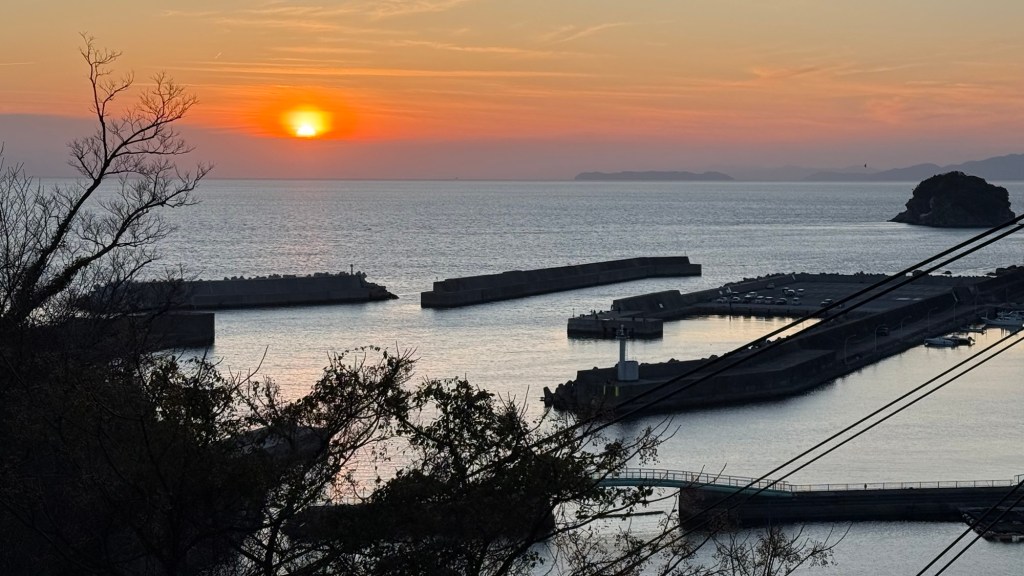
日本和歌山杂贺崎 Saikazaki, Wakayama 19.2.2026

心中无岁月

匆匆谢了少年游,
恋春花,眷西楼。
诗酒载年华,
抚琴浅酌,吟诗泛轻舟,
去留随风。

回眸笑别壮年痴,
邯郸梦,黄鹤楼。
功名覆流年,
韶光过处,繁华化清烟,
一笑随缘。

而今静伴晚来风,
茶暖怀,雨听心。
心中无岁月,
眉间淡去,举步亦从容,
轻渡红尘。

c.h.e.f andy

诗意解读:

1
少年轻逸的时光与人生阶段的游历。“谢了”是对自然流逝的告别。
眷恋春花——青春的美好;眷恋西楼——登高远望之处,承载思念、回望与时光渐远的情绪。
以诗与酒承载、陪伴青春岁月。诗酒年华里,抚琴、酌酒、吟诗、泛舟,自由潇洒。
一切去留都如风一样自然,不执着,不强留——少年阶段的“无定与轻盈”。

2
回头看壮年时的执着与痴迷(功名、情感、执念),带着一笑告别。
两个典故叠用:

邯郸梦:人生功名如一梦(卢生黄粱梦)
黄鹤楼:仙去楼空,盛景不返

强调“繁华与追逐终归虚幻或不可留”。
人一生追逐功名,到头来耗尽了青春与岁月。美好时光流逝后,繁华如烟般散去。
最终的态度是释然:不再执着输赢,随缘而安。

3
如今在晚年时分,与晚风为伴——画面宁静,时间进入缓慢状态。
茶是温的,心是暖的;雨声如同倾听内心——外界与内在开始合一。
“心中无岁月”不是忘记时间,而是内心不再被时间束缚与驱动,进入一种安静、无执的状态。
意味着:不再焦虑“来不及”,不再怀念“已过去”,也不再期待“将来如何”。
眉间是最敏感、最容易泄露情绪的地方,当它“淡去”,意味着内心的波动已真正平息。
神情与步伐都自然变得平和安定。人世间仍行走其间,“轻轻地走过”。

=========================

Published on 24.4.2026

心中无岁月 Timeless Within the Heart

Wandering youth slips away all too soon,
cherishing spring blossoms, lingering by the western pavilion.
The years drift by in wine and verse;
zither in hand, sipping lightly, drifting on a small boat, lost in song,
letting the wind decide where I stay or go

Looking back, I smile at the passions of my prime—
the dream of Handan, the Yellow Crane Tower.
Fame and fortune are swept away by passing years;
youthful brilliance fades, splendor turns to pale smoke,
and with a smile, I let it all be.

Now I sit quietly with the evening wind,
tea warming my heart, rain listening to my soul.
Time no longer lingers in my heart;
my brows ease, my steps unhurried,
lightly crossing the mortal world.

Poetic Interpretation:

1

A light and carefree youth, a wandering passage through an early stage of life. “Said farewell” here is a gentle parting with the natural flow of time.

cherishing spring blossoms—the beauty of youth; lingering by the western pavilion—the place of ascending heights and distant gazing, harbouring thoughts of longing, remembrance, and the gradual fading of time.

Poetry and wine accompany and hold those youthful years. In the years of verse and drink, one plays the zither, sips wine, recites poetry, and drifts on a small boat—free and unrestrained.

All coming and going is as natural as the wind, without attachment, without holding back—an early stage of life marked by “changeability and lightness.”

2

Looking back with a smile at the years of maturity, filled with attachment and obsession (status, love, and desire).

Two classical allusions (literary references) are layered together:

The Handan Dream: worldly achievement is but a dream (the tale of Lü Sheng’s yellow millet dream)

The Yellow Crane Tower: the immortal has departed, the grand scene is no more.

These emphasize that “prosperity and pursuit ultimately dissolve into illusion – cannot be owned or kept.”

A lifetime spent chasing fame and success ends with the exhaustion of youth and years. After youthful brilliance fades, all splendor disperses like smoke.

The final realization is one of release: no longer clinging to gain or loss, but smile and let things unfold with acceptance.

3

Now in the later years of life, accompanied by the evening wind—the scene is tranquil, and time itself seems to slow.

Tea warms the heart; the sound of rain is like listening to the inner self—outer world and inner world begin to merge.

“Time no longer lingers in my heart” does not mean forgetting time, but rather that the mind is no longer bound or driven by it, entering a state of quiet non-attachment.

This means no longer anxious about “not enough time,” no longer nostalgic for “what has passed,” and no longer anticipating “what will come.”

The space between the brows—the most sensitive place that reveals emotion—gradually softens; as it fades, it signifies that inner fluctuations have truly settled.

Expression and footsteps alike become calm and steady. Still walking in the human world, yet doing so lightly, as if merely passing through.
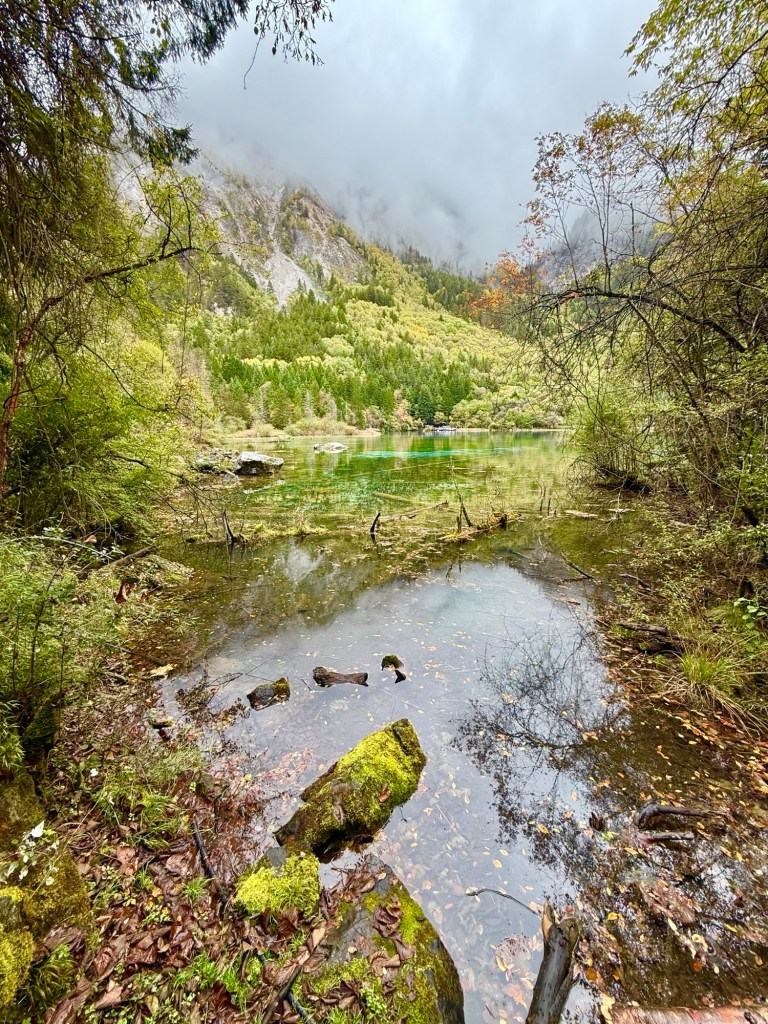

一笑山河 A Smile Over Mountains and Rivers

九寨沟 Jiuzhaigou 20.10.2025

一笑山河

拈指芳菲岁轻狂
锦绣展,志飞扬
弹剑长歌,醉卧笑山河
潇洒红尘千万里
曲未尽,天已老

击掌风云话古今
繁华间,意纵横
王侯将相,青史名过客
艳阳几度流年月
路未央,心从容

诗意解读:

1 少年轻狂时,认为青春、光阴与美好皆可拈于指间。人生舞台展开,志向随之上升与飞扬。轻弹佩剑,放声长歌,胸中豪情与山河共鸣,亦如笑看山河。在红尘人生中行走万里,跨越岁月与空间的界限。曲声仍在回响,余韵未尽——人生仍在继续,而时间已显衰意。

2 “击掌”,象征豪情、快意与同道相遇。“风云”,指时代变迁与历史中的英雄际会。以开阔胸襟谈笑间纵览古今风云。身处繁华之间,而心意仍可自由纵横。纵使功成名就,贵如王侯将相,青史留名,终究亦为历史过客。艳阳几度 — 盛世繁华终有其限,随时间流逝而去。人生道路未尽,而心境已趋从容。

c.h.e.f andy

=====================

published on 18.4.2026

一笑山河 A Smile Over Mountains and Rivers

With youth and bloom at my fingertips, I roamed in reckless years,
Splendor unfolds, my spirit soaring high.
I tap my sword and sing aloud—drunk, I lie and smile at the world.
Through the dust of mortal life, I wander ten thousand miles;
The song not yet ended—yet heaven has grown old.

With a clap, we speak of the winds of time—past and present;
Amid all splendor, my thoughts roam unbound.
Kings and lords alike—mere shadows in history’s scroll;
How many bright days have slipped through the years?
The road stretches on; the heart remains at ease.

Poetic Interpretation

1 In youth’s recklessness, one believes that youth, time, and all things of beauty can be held within one’s fingertips. The stage of life unfolds, and ambition rises and soars. With a light tap upon the sword, one sings aloud—heroic spirit resonating with mountains and rivers, as if smiling upon the world itself.

Traversing the mortal world, one journeys thousands of miles, crossing the boundaries of time and space. The song still echoes, its lingering resonance unended—life continues, yet time has already begun to show signs of decline.

2 “Clasped hands” symbolize bold spirit, shared joy, and encounters among like-minded souls. “Winds of time” refer to the shifting eras and the rise and fall of heroes within history.

With an open heart, one speaks and laughs while surveying the winds of past and present. Amid worldly splendor, the mind remains free to roam without constraint. Even when success is achieved and one rises to the status of kings and lords, leaving one’s name in history, all are ultimately mere passersby—shadows of history. The grandeur of prosperous times is finite, destined to fade with the passage of time. The journey of life remains unfinished, yet the heart has already attained calm and composure.

念•眠•梦 Thought • Sleep • Dream

新西兰格莱诺基金洛克生态景观小屋 Kinloch EcoScapes, Glenorchy, New Zealand 17.2.2023

念•眠•梦

平寂
六千万念
刹时中断、平息

就这样没了
空了
恍若从未有过

念起
思潮奔涌
万马飞驰
壮志、柔情、算计与纷扰
日月轮回
没有一刻停歇

念息
千思万绪
骤然归寂
像深谷,没有回响
像大海,没有一丝波澜
像关了电闸
一切在那一刻停住

无垠的宇宙间
一颗小小的星球
亿万生灵

念起而作
念息而眠

念起念息
每天每夜
就这样轮流

念息时
躯体没有意识

念起时
是躯体领回了意识
还是
意识回到了躯体

而梦
可以塑造
醒时没有的人和事
也有自己的逻辑与叙事

庄周梦蝶
是另一个现实
还是
本就不属于现实

注笔:

1 前日朋友圈转来一段视频,说睡眠是每天发生的奇迹,如同每天经历一次死亡,而我们却不作他想,只当作身体的正常修复过程。每日入睡之时,意识似乎消失,而躯体仍在;醒来之时,意识又回到躯体之中。意识是否是一种可离可附的潜在存在?而梦中的意识,是否自成一个世界?

2 “庄周梦蝶”讲的是庄子梦见自己化为蝴蝶。然而,究竟是庄子梦见自己是蝴蝶,还是蝴蝶梦见自己是庄子?哪一个是梦,哪一个才是现实?

c.h.e.f andy

====================

published on 17.4.2026

念•眠•梦 Thought • Sleep • Dream

Stillness
Sixty million thoughts
cut off in an instant, falling quiet

Just like that, gone
emptied
as if they had never been

Thoughts arise
the mind surges
like ten thousand horses racing
ambition, tenderness, scheming and unrest
day flows through night
not a moment of rest

Thoughts cease
a thousand threads of consciousness
suddenly fall silent
like a deep valley, without echo
like the ocean, without a single ripple
like the power switched off
everything stops in that instant

In the boundless universe
on one small planet
countless living beings

act when thoughts arise
sleep when thoughts cease

Thoughts arise, thoughts cease
day after day, night after night
in endless cycle

When thoughts cease
the body has no awareness

When thoughts arise
does the body retrieve awareness
or
does awareness return to the body

And dreams
can create
people and events absent in waking life,
with their own logic and narrative.

Zhuang Zhou dreaming of a butterfly
is it another reality
or
not part of reality at all

Notes:

  1. Recently, I came across a video shared on social media discussing sleep as a daily miracle, like experiencing death once every day. Yet we take it for granted, treating it simply as the body’s normal process of restoration. Each time we fall asleep, consciousness seems to disappear while the body remains; when we wake, consciousness returns to the body again. Is consciousness a latent existence that can detach from and return to the body? And does consciousness in dreams form its own world?
  2. “Zhuang Zhou dreaming of a butterfly” tells of Zhuangzi dreaming that he became a butterfly. But was it Zhuangzi dreaming he was a butterfly, or a butterfly dreaming it was Zhuangzi? Which is the dream, and which is reality?

怀石料理 Kaiseki Cuisine

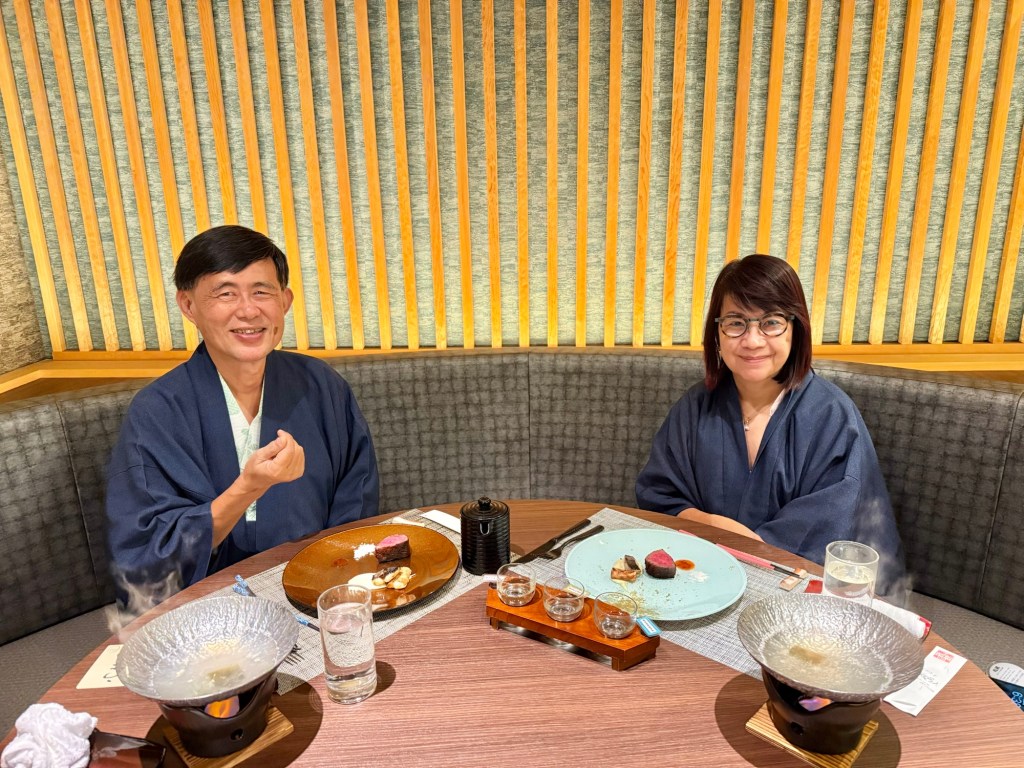
日本和歌山 漁火の宿 シーサイド観潮 旅馆的怀石料理 kaiseki dinner Isaribi-no-Yado Seaside Kancho ryokan wakayama 19.2.2026
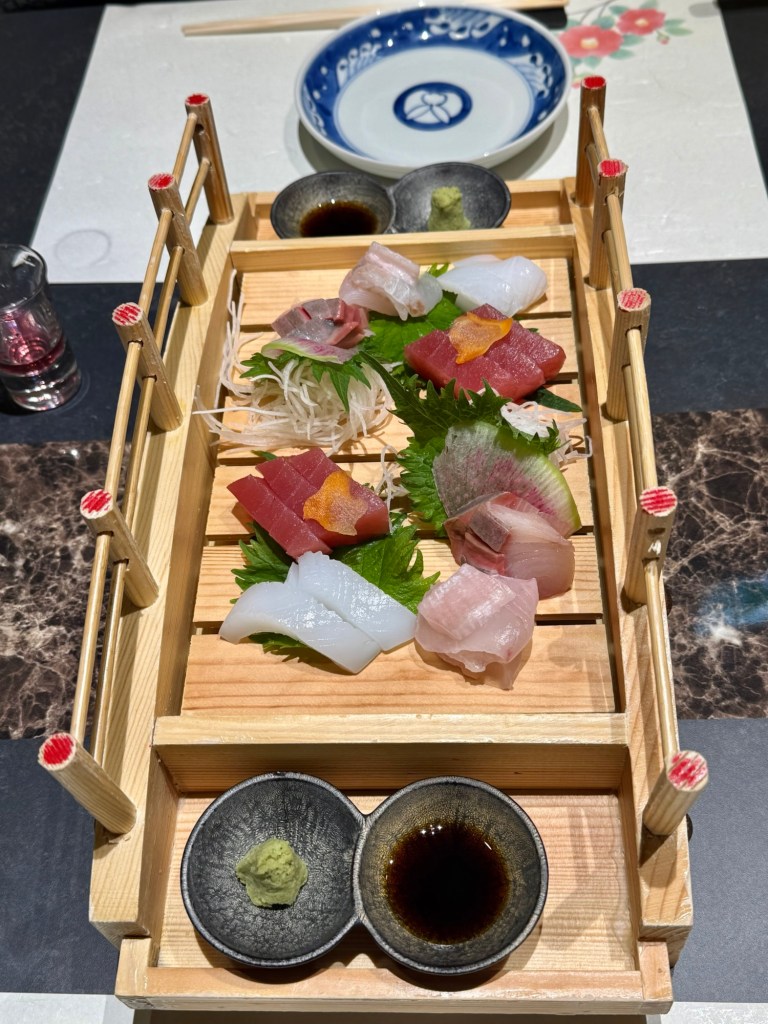
日本纪伊半岛碧き島の宿 熊野別邸 中の島 怀石料理 刺身sashimi, kaiseki dinner, Kumano Bettei Nakanoshima, Kii Peninsula 22.2.2026
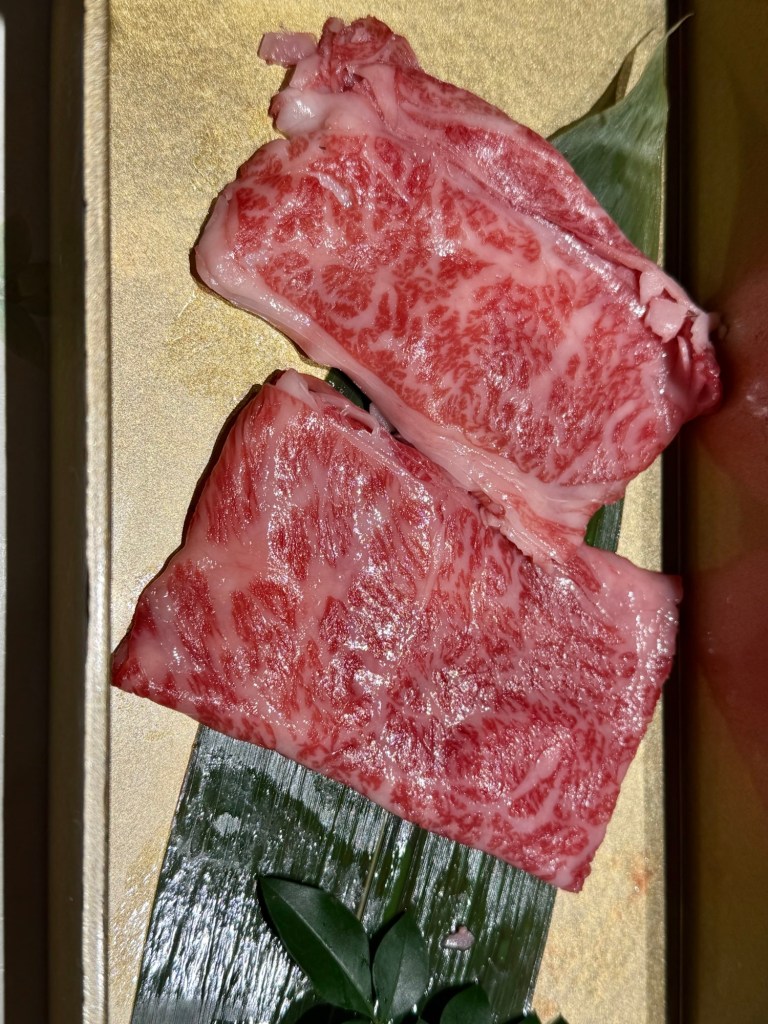
日本纪伊半岛碧き島の宿 熊野別邸 中の島 怀石料理 和牛 wagyu, kaiseki dinner, Kumano Bettei Nakanoshima Kii Peninsula 22.2.2026

怀石料理

胸怀玉石自生温
禅修正果离饥寒
功行深处生茶道
怀石料理呈真味
食材厨艺尽精微
色香味形意相融

至味料理
精工烹饪
应时鲜材
菜色精雅
视味两绝
器皿摆艺
侘寂美学
被褐怀玉

入宿初安
浸泡温泉
松解劳尘
继而怀石
前菜时令
刺身清鲜
煮物蒸物
烧物扬物
醋物御饭渍物

季节为鲜
无常见美
大道至简

注笔:

1 怀石料理(Kaiseki Ryori)是日本顶级的高级料理,起源于茶道,强调时令食材、艺术性摆盘和精细烹饪。

  • 起源与含义: 起源于茶道,最初是饮用浓茶前享用的简单餐食,旨在款待客人。其名“怀石”意为僧人怀抱热石以抵御饥饿,后寓意“被褐怀玉”,强调内在价值,与茶道精神相契合。
  • 季节感: 极度讲究使用当季最新鲜的食材,通过食物展现四季的更替。
  • 美学体现: 不仅菜品精致,连器皿的选用也极为讲究,被誉为“可食用的艺术”。
  • 会席料理 (Kaiseki):谐音相同,但会席料理更注重饮酒享乐,口味更浓郁,不如怀石料理讲究禅意和形式。

2 “被褐怀玉”源自《道德经》,意为表面粗糙破落(被褐),内心怀抱美玉(怀玉)。在怀石料理中,这一理念体现了“侘寂(Wabi-sabi)”精神:外表质朴、自然,内在精致、蕴含美味。

3 “侘寂(Wabi-sabi)美学”在怀石料理中体现为在短暂、不完美、自然与朴素中发现美。它通过呈现时令食材的本味、强调流动的季节感、“无常”与“不完美”的艺术感,营造一种禅意的用餐氛围。

c.h.e.f andy

===================

published on 9.4.2026

怀石料理 Kaiseki

Cradling warmth like stone against the breast,
Through Zen practice, one transcends hunger and cold.
At depth of discipline, the tea path emerges,
And kaiseki reveals its true taste.
Ingredients and craft refined to subtlety,
Where color, aroma, flavor, form, and spirit unite.

Cuisine of utmost essence,
Meticulous culinary craft,
Seasonal ingredients at their peak,
Dishes of quiet elegance,
Sight and taste in perfect harmony,
Vessels and plating as art,
The beauty of wabi-sabi,
Simplicity concealing inner worth.

Settled at the inn,
Soaking in the onsen,
Dust of travel gently released,
Then the kaiseki begins.
Appetizers of the season,
Sashimi, pristine,
Simmered and steamed courses,
Grilled and fried delicacies,
Vinegared dishes, gohan, and pickles.

Season defines the freshness,
In impermanence, beauty appears,
The great way lies in simplicity.


Notes

1. Kaiseki Cuisine (Kaiseki Ryori)
Kaiseki Ryori is Japan’s highest form of refined cuisine. Originating from the tea ceremony, it emphasizes seasonal ingredients, artistic presentation, and meticulous preparation.

Origin and Meaning:
Kaiseki originated within the tea ceremony as a simple meal served before drinking thick tea, intended to host guests with quiet sincerity. The term “kaiseki” (怀石) originally referred to Zen monks placing warm stones against the chest to stave off hunger. It later came to embody the idea of “wearing coarse cloth while holding jade within”—suggesting inner richness beneath outward simplicity, in harmony with the spirit of tea.

Seasonality:
Kaiseki places utmost importance on using the freshest ingredients of the season, expressing the passage of time through food and evoking the changing of the four seasons.

Aesthetic Expression:
Beyond the delicacy of the dishes themselves, great care is given to the selection of tableware. Kaiseki is often regarded as “edible art,” where cuisine and presentation form a unified aesthetic experience.

Kaiseki vs. Kappo/Kaiseiki (会席料理):
Though pronounced the same, kaiseki (怀石) differs from kaiseiki (会席料理). The latter is centered around dining with alcohol, featuring richer flavors and a more indulgent style, while kaiseki retains a stronger emphasis on Zen aesthetics and formal restraint.


2. “Wearing Coarse Cloth, Holding Jade Within” (被褐怀玉)
This phrase originates from the Tao Te Ching, meaning that one may appear plain or humble outwardly while possessing inner virtue and refinement.

In kaiseki, this principle aligns with the spirit of wabi-sabi: an outward simplicity that conceals inner depth, craftsmanship, and quiet beauty.


3. Wabi-Sabi Aesthetics (侘寂)
Wabi-sabi is expressed in kaiseki through an appreciation of transience, imperfection, and natural simplicity. Beauty is found in the fleeting and the incomplete.

By highlighting the inherent qualities of seasonal ingredients, emphasizing the flow of time, and embracing impermanence, kaiseki creates a dining experience imbued with a subtle, meditative, and Zen-like atmosphere.