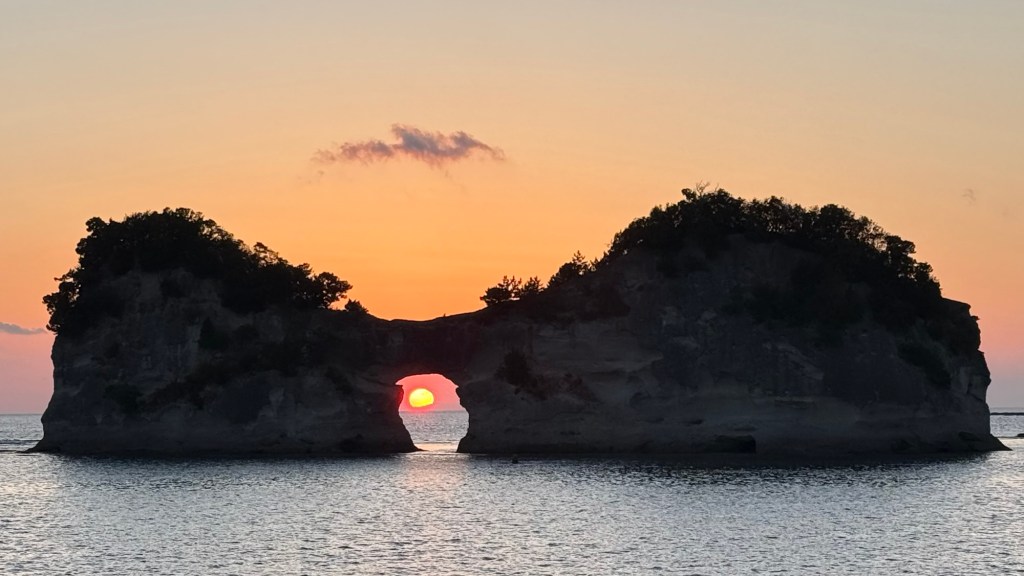
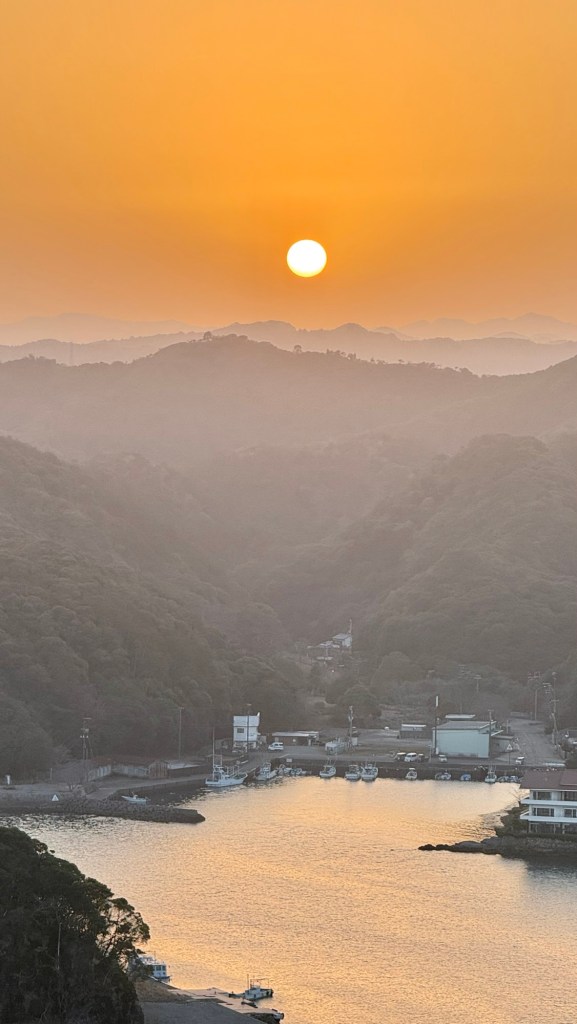
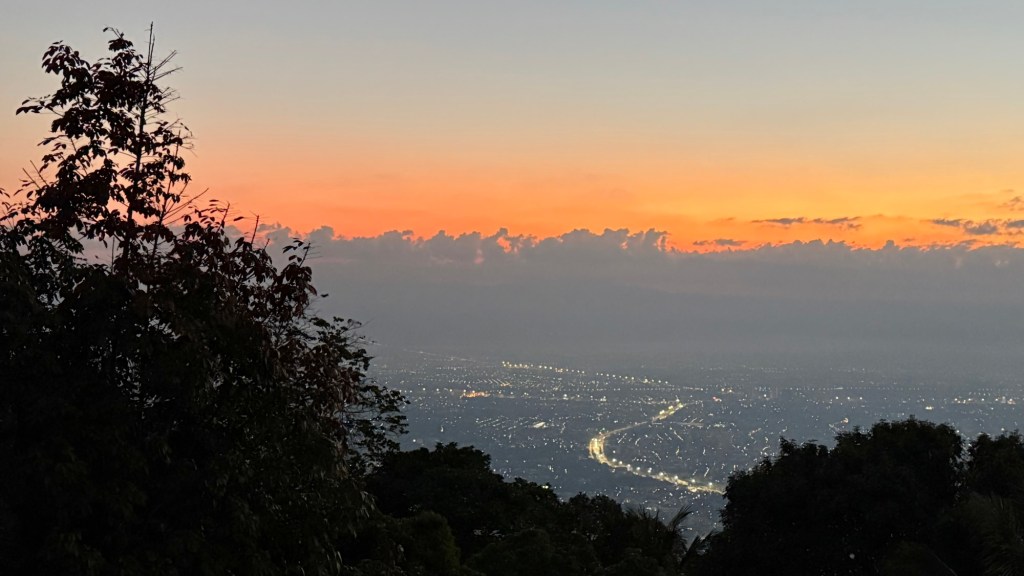
日本和歌山县白滨町円月島日落 sun setting through engetsu island, Shirahama Wakayama Japan 21.2.2026
光影流年
幼时 游戏红尘 潇洒流年 恣意西东 无拘无忌 长路未央 少年不老
昔日 志启鸿图 胸怀万象 纵横机变 运筹无歇 翱翔云端 意气如虹
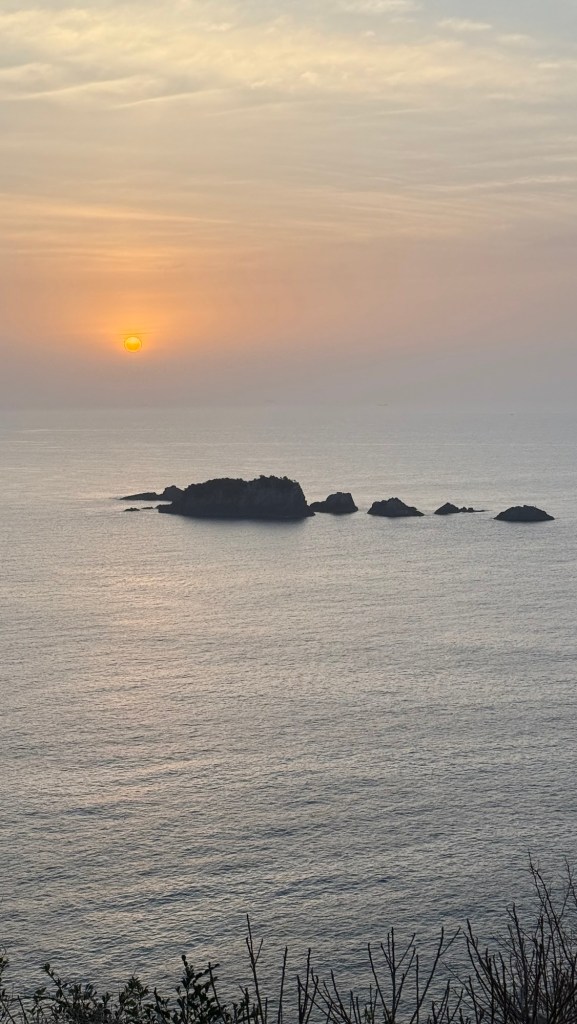
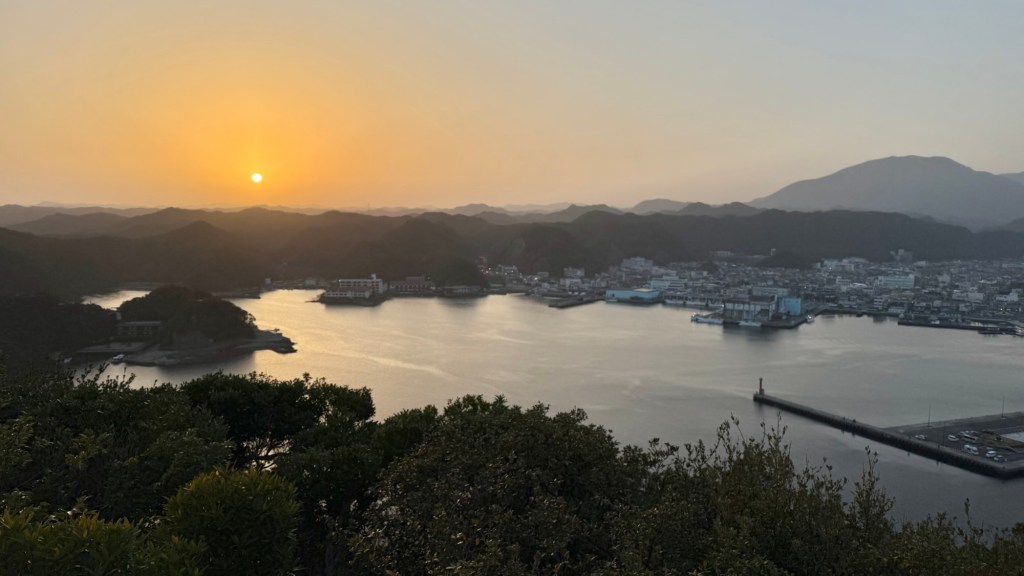
此刻 夕阳西沉 风清云淡 余晖遥处 微光在心 水月流年 安然其间
注笔:
水月流年 — 岁月流逝,如水中月般虚幻,如镜花水月。
c.h.e.f andy
=========================
published on 31.3.2026
光影流年 Light and Shadows of Time
Childhood Playful in the worldly dust, Carefree years drifting by Roam freely east and west, Unbound and uninhibited A long road unending Forever young.
In days gone by, Ambitions set, grand designs unfurl Heart embracing myriad worlds Navigating chance and strategy Planning without pause Soaring above the clouds Spirit radiant as a rainbow.
Now The sun setting in the west, Wind clear, clouds lightly drifting Sunset hues linger afar, A faint glow lights the heart Years flow like the moon in water, At peace in this moment.
Note:
“Years flow like the moon in water” — the passage of time, fleeting and illusory like the moon reflected in water, ephemeral as a flower in a mirror.
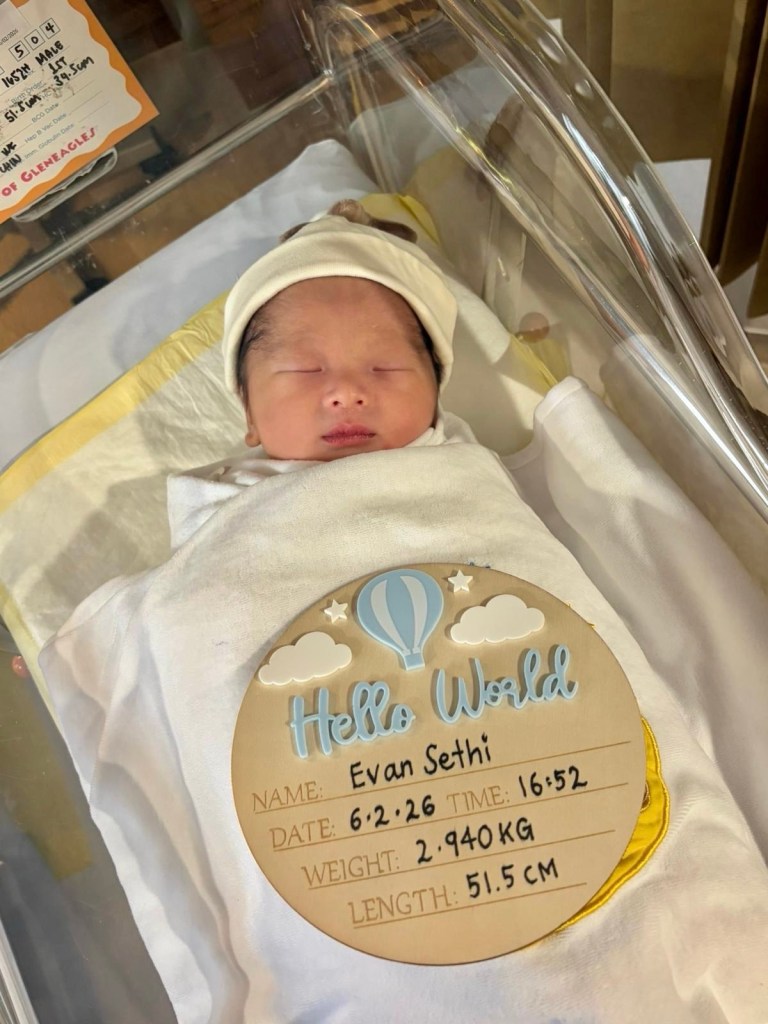
Sethi household bathed in grace, and blessings bloom; Journey in deeds and life’s work, bringing peace to the land. Endowed with divine gifts, a worthy talent rises; Zealous to serve the world, he strives towards the Kingdom of Heaven.
侠骨•丹心•镜空:三境 Chivalric Bone · Crimson Heart · Mirror-Emptiness: Three Realms
Ten years, one sword—my will etched deep within; A fleeting spring night—already late autumn. Of three thousand streams, I chose but one—you by my side; With chivalric spirit and tender heart, I never depart.
Ten years as one day — through long autumn nights; Across a thousand mountains, in twilight snow, I await your return. Though these old wings have weathered summer and winter, My crimson heart — I am the one who buries the geese.
Fragrant dust drifts as the years flow on; In life and beyond—cling to nothing, seek nothing. Let the spirit reflect a lucid mirror, To bury flowers, to guard love—both, in the end, fade into emptiness.
Notes
The poem’s three stanzas present three scenes: the resolve to guard love, the sorrow of burying the geese, and the awakening into mirror-like emptiness; they also form three states: guarding love (having), laying love to rest (not having), and freedom from attachment (emptiness).
1 “Ten years to forge a single sword” signifies long discipline and steadfast endurance; love stands firm because the will is firm. Youth and its finest moments pass swiftly—already deep into autumn.
“Of the three thousand streams, I choose but one” speaks of singular devotion; “you by my side” means love already fulfilled in companionship.
“Chivalric spirit and tender heart” refer to one who bears resolve and responsibility, yet also love and guardianship—thus never abandoning nor departing.
2 “Ten years as one day — through long autumn nights” portrays a life of waiting endured in solitude; “a thousand mountains in twilight snow” suggests insurmountable distance, the lateness of the hour, and hope nearly spent. “awaiting your return” expresses a waiting already touched by despair.
“Though these old wings have weathered summer and winter” — even as the years pass, I go on flying, go on waiting, enduring the cycles of time — the height of devotion.
“The one who buries the geese” — I am the one whose love goes unrequited, the one who can only lay it to rest.
This alludes to Jin Dynasty poet, lyricist元好问’s《雁丘词》which depicts the devotion and tragic end of a lone goose: Ask the world: what is love, that it compels devotion unto life and death?
Here, the “burier of geese” is one who witnesses love unto death, yet cannot partake in it — one whose loves go unrequited, who waits in vain, and in the end becomes the one who buries that love.
3 “Fragrant dust” is the lingering trace of beauty, youth, and affection; “the years flow on” reminds that time waits for no one.
“In life and beyond” means that throughout one’s whole existence, and even after, there is no attachment to gain or loss.
“The burier of geese” continues the allusion to Jing dynasty poet 元好问, bearing witness to love as an bystander;
“The one who buries the flowers”—from Dream of the Red Chamber by Cao Xueqin, where Lin Daiyu, likening herself to fallen blossoms, laments the transience of beauty;
“guarding love”— echoing “of the three thousand streams, I choose but one,” denotes fidelity and unwavering devotion.
Whether burying geese, burying flowers, or guarding love— “both are empty” does not deny their truth or depth. Rather, it is through feeling and then seeing through: Even love at its deepest ultimately returns to impermanence.
Youth fades Appearance wanes Bones grow frail Hair silvered by twilight Cheeks bear their marks Eyes and brows tell tales of time
Fortune rises and falls Years spare no one But they don’t get to decide who’s inside of you
— Don’t let the old man in!
Aging is nature’s way My mind remains my own The fire still burns within Passion flows on Listen to the heart
Don’t let the old man in! — Don’t hand him the keys
With childlike heart and curious eyes I seek Joyful surprises and fulfilment Unfettered freedom
Sun’s first light Greenery and blue skies Birds sing, blossoms scent the air Simple pleasures of daily life Reconnecting old friends, crafting new verses Eternity glimpsed in a single moment
The clock tick-tocks Time knocks at the door The heart-lamp burns on A melody yet unfinished
—Don’t let the old man in!
Notes:
The other day, I came across a video song on social media — “Don’t Let the Old Man In.” The lyrics resonates deeply with my present stage of life and state of mind. Inspired, I wrote this short poem on the same theme.
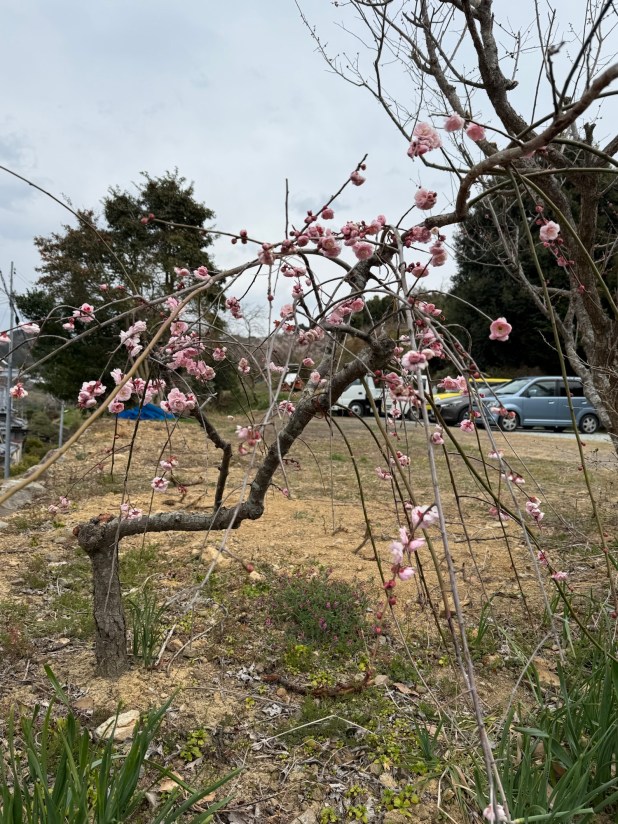
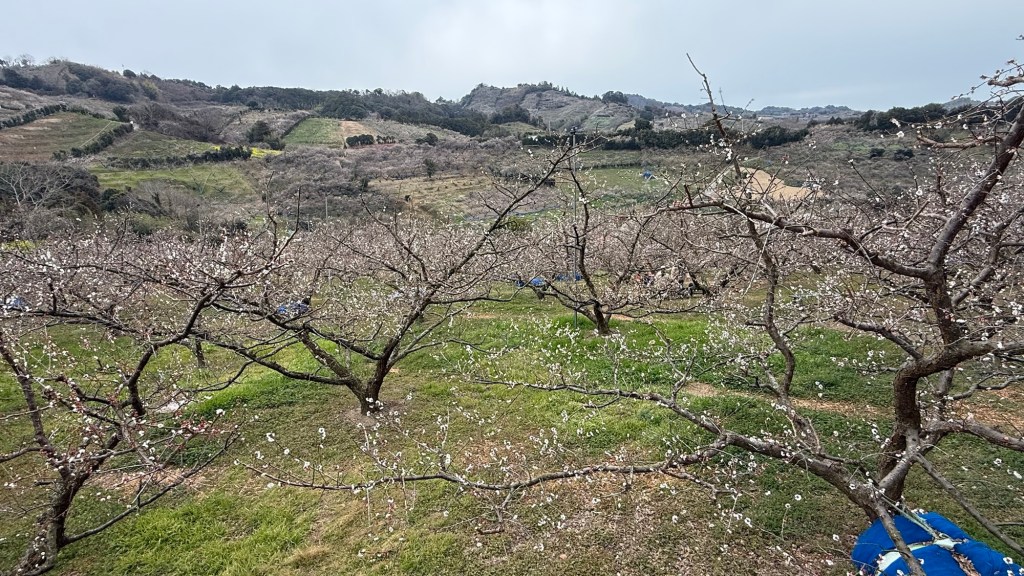
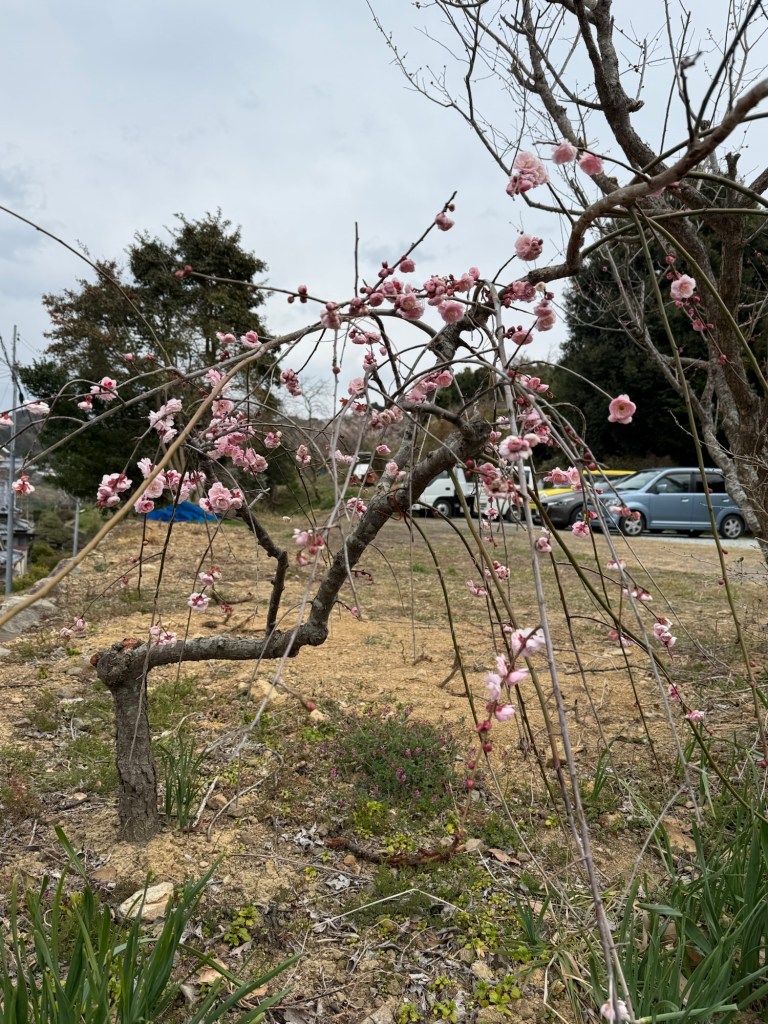
Plum blossoms glimmer amid the snowy green hills, White, red, and pink adorn the land with fragrant grace. In the second lunar month, the blossoms fill the plum grove and shrines; Visitors come, seeking their scent and beauty.
The Four Gentlemen — Orchid, Bamboo, Chrysanthemum, Plum: Refined, steadfast, unassuming, and proud — each with its own elegance.
Spring orchids breathe pure fragrance in secluded valleys; Summer bamboo stands upright, with a humble heart and noble spirit. Autumn chrysanthemums live in quiet retreat, indifferent to fame; Winter plums defy the snow, standing through the night and chill.
Scholars and poets have sung of them through the ages; Brush and ink have brought them into paintings and couplets.
A wanderer walks leisurely, Seeking quiet places for plum blossoms. Along the path, where flowers grow deep, Tender branches sway, Shadows of blossoms quiver in the breeze.
Roaming the grove in plum season, Beneath shrine-side blossoms, A thousand trees burst into bloom— How many times does such beauty return?
Notes
杏月: Refers to the second month of the lunar calendar. 林社: Refers to plum groves and shrines, i.e., the plum trees are planted in groves or beside shrines.
Orchid, Bamboo, Chrysanthemum, and Plum (兰竹菊梅): Known as the “Four Gentlemen of Flowers.” Each represents a season—spring, summer, autumn, and winter—and embodies a distinct elegance. These motifs have long been favored by scholars and literati for composing poetry, writing couplets, and depicting in landscape painting and calligraphy.
翰墨与丹青:
翰墨: Brush and ink, representing calligraphy
丹青: Red and blue pigments, representing painting
翰墨丹青入画联: The elegance of the Four Gentlemen is expressed in calligraphy and paintings, often incorporated into couplets or visual artworks.
Lofty ambition rises with spring, as flowing waters run their course; as clouds drift, and the ten thousand things of the world pass like fleeting light.
A wild goose passing — a fleeting trace. Beyond east and west. Eloquent in life, Silent in death.
The morning sun peers forth, Leaves and shadows shimmer, Fledglings leave the nest, Branches cradle tender buds.
Wild geese wing a thousand miles, toward warmth and home. How many sunsets as summers and winters pass?
Dawn breaks clear, The long river bursts forth. A thousand years of beacon fires, forged a rebirth.
The divine land rises, Mountains and rivers stretch before us. Building dreams in the fragrant spring of youth, The great path of civilisation shines anew.
Notes:
Themes and Imagery The poem depicts the brevity of human life, the cycles of nature, and the renewal of civilization.
The great bird’s lofty ambition is like spring blossoms — vibrant and flourishing — yet, like spring waters and drifting clouds, it naturally fades.
The myriad worldly phenomena (红尘繁花万象) are fleeting, passing like ephemeral light.
From the rising morning sun to the passing of summers and winters, the poem traces the regular cycles of day and season.
A thousand years of beacon fires have tempered a rebirth, symbolizing how long struggles and trials culminate in renewal.
The rise of the new China and the efforts of the new generation are portrayed as building dreams in youth’s fragrant spring, bringing about the renewal and flourishing of civilization.
Literary Allusions — Life and Reputation The lines “Eloquent in life, Silent in death” draw inspiration from the Song dynasty poet-general Xin Qiji (1140–1207):
“To settle the emperor’s realm, earning fame both in life and after death.” differently here, the author conveys a sense of detachment from fame and personal gain, living life freely and with composure, while all things ultimately return to quietude.
Literary Allusions — Transience of Actions The poem also borrows the imagery of the Northern Song poet Su Shi (1037–1101):
“Life everywhere — what is it like? It should be like a wild goose stepping on snow-covered mud; traces are left only by chance, but the bird, once flown, no longer calculates east or west.” This evokes the notion that events pass like clouds, leaving no attachments, emphasizing impermanence and letting go.
During Shang and Zhou, Prayers for a bountiful harvest, Generations honor ancestors for peace and safety, Sweeping out last year’s filth to welcome the new spring, Firecrackers and red couplets drive away the year-beast.
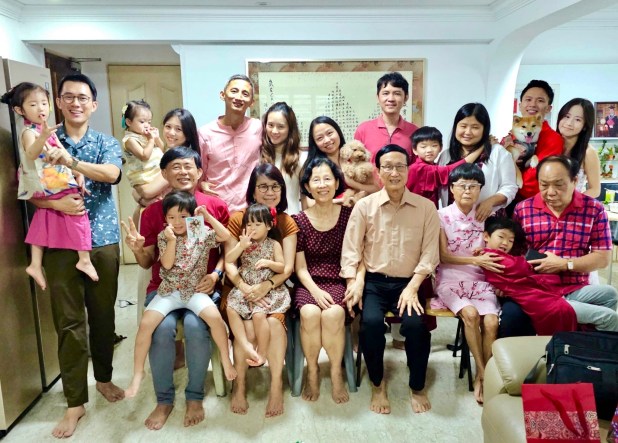
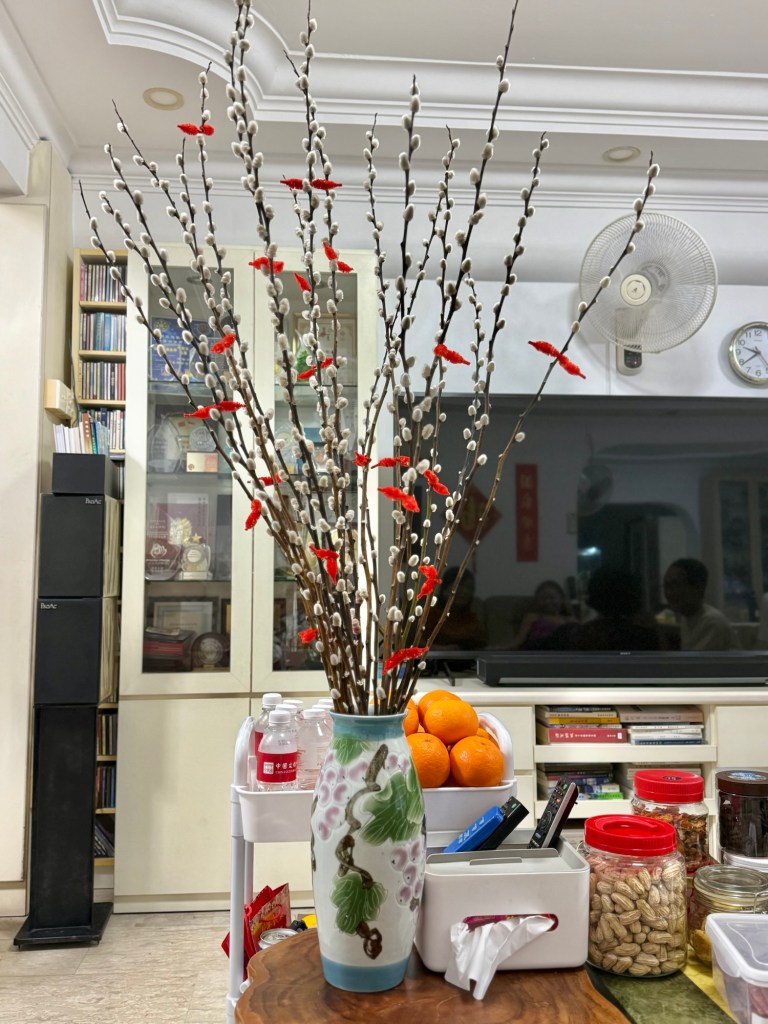
Gathered around a hot pot, we share reunion feasts and keep vigil, Red “ang-pows” ward off misfortune, Mandarins and oranges are exchanged for good fortune, Silver willows bring wealth and joy into the home.
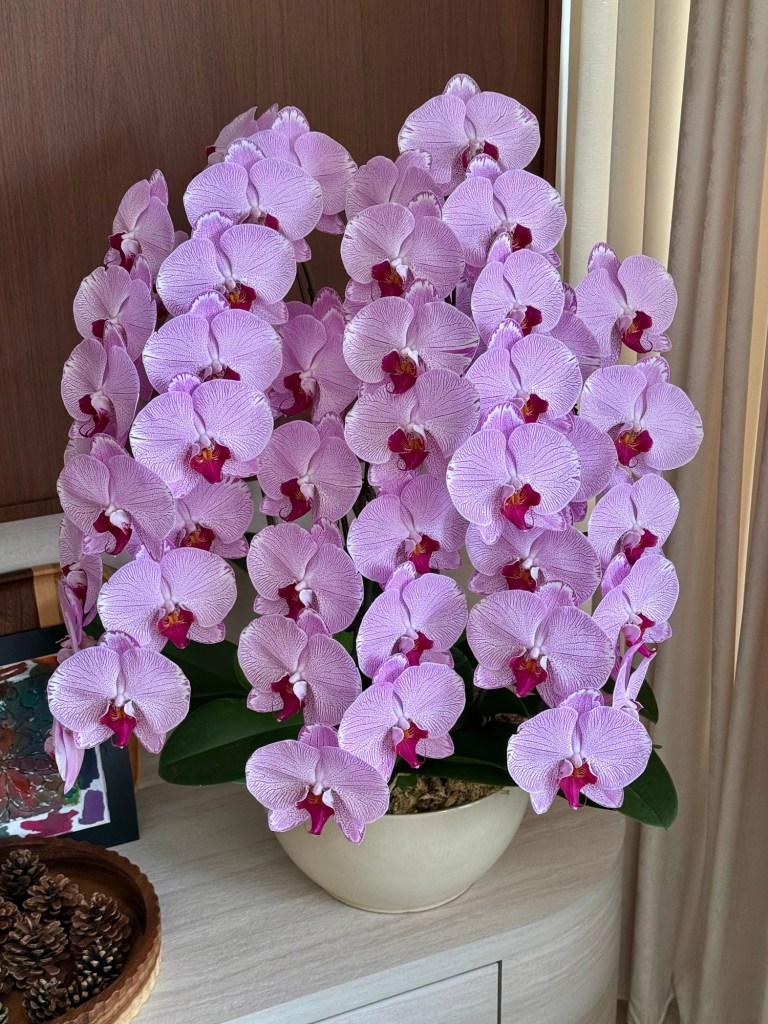
New Year flowers bring warmth and meaning— Narcissus fairies glide across the waves, Butterfly orchids dance in the air, Mandarins fill every branch, Money plant leaves stretch like strings of coins, Peonies for wealth and honor, Lilies for luck and blessings.
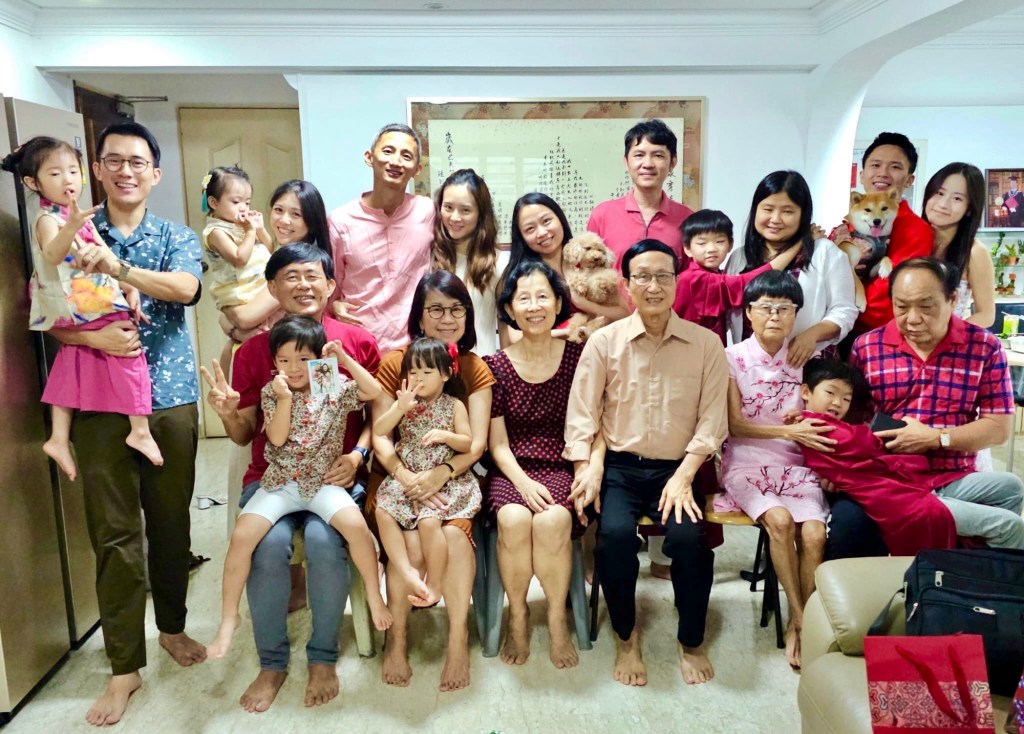
Children and grandchildren filled the house with warmth— Little ones at play, Laughter and chatter everywhere, Zither and song dancing through the air, New Year greetings and blessings exchanged in joy.
Festival traditions, Five thousand years of culture, etiquette, and customs, Linking past and future, Passed down through generations.
Notes
1 The Lunar New Year traces its origins to the agrarian societies of the Shang and Zhou periods — when rituals were performed to pray for abundant harvests and to honor ancestors for peace and protection. Legends of the mythical Year Beast later enriched the customs of house-cleaning, setting off firecrackers, and posting red couplets to welcome the new spring.
2 The reunion dinner on Lunar New Year’s Eve often involves gathering around a hot pot. On the first day of the new year, giving red envelopes (lucky money) and exchanging mandarins and oranges — especially large mandarins whose name echoes “great fortune” — are indispensable traditions. Decorative New Year purchases commonly include silver willows.
3 New Year flowers carry layered symbolism — narcissus is affectionately known as the “fairy gliding upon waves,” money plants bear coin-like strands of leaves, and mandarins symbolize the welcoming of wealth and prosperity.
4 The Lunar New Year is an important festival for Chinese people — descendants of the Yan and Huang heritage — its cultural flame passed on from generation to generation to the present day.
壮志付流年 • 散文篇 Aspirations Entrusted to Passing Years · Prose Essay
“The sun rises in the east — a divine steed galloping atop the clouds; aspirations entrusted to the passing years. Under ten thousand miles of blue sky, the will rides free; morning light caresses mountains and rivers. Even the most splendid blaze must pass— how many times can one look back? Afterglow sinks in the west, yet the world keeps renewing itself —reborn, dawn after dawn.”
Our lives are like the sunrise—rising in brilliance, like a divine steed galloping forward, unrestrained as a heavenly horse, carrying the force of ambition as it charges ahead. And before we even notice, we have already placed our youth and our aspirations into the hands of time. Not with clamour, not with complaint, and not with regret—only offering our passion and persistence, silently, to the long river of passing years.
The boundless sky stretches for ten thousand miles; within the heart, ambitions surge without end. The steed of the spirit traverses heaven and earth, in one’s chest harbours a vast tenderness for the whole universe. Ambition fills the heart, yet the spirit remains humane: the newborn light of morning gently caresses mountains, rivers and plains, like a tender embrace of the world—so that even in brilliance, gentleness remains.
Even the most splendid blaze must pass. Time and again we turn back, only to see yesterday’s glory recede like a tide, leaving in the heart a faint trace of light.
The afterglow and its lingering warmth will, in time, burn out; an old cycle of life sinks with the fading light. Yet the world continues to renew itself—reborn, dawn after dawn. This is nirvana rising again: the turning of cycles, the shifting of seasons, and the onward motion of life that never truly stops.
“Though wandering the four continents, I engrave the mountains and rivers of my homeland in my heart. a great roc’s ambition journeying through the years. Across bitter seas, a lone boat sails through a thousand hardships; my first resolve shines — through past and present. When worldly ties are done, I brush my sleeves and leave with ease; ten directions in full splendour—yet in time, all attachment return to stillness.”
Though we wander the four continents—crossing the world, drifting in all directions—we still carry mountains and rivers of our homeland in our hearts. This is not merely to have “seen” or “passed through,” but to remember, to carve it into one’s being. “Four continents” also bears a Buddhist cosmology, quietly echoing the “ten directions” that follows. Such wandering is not vagrancy: it is a journey — with the landscape as a monument, and life itself as an inscription.
The roc’s ambition—high, far-reaching, and vast in scope—moves through the years, enduring time’s long passage. Time may age the body, yet it does not necessarily break the will. Here, too, it forms a counterpoint to “aspirations entrusted to the passing years”: one verse entrusts ambition to time, while in the other verse, “the roc travels through time”. The aspiration remains; the road remains long.
The world’s journey is like the sea—deep, broad, and endless. Braving countless turns and trials, one crosses it in a single boat. This is the solitude of life: many roads can only be walked alone; many ordeals can only be endured alone.
First resolve is the earliest faith—the purest wish, the truest self. It does not only illuminate what lies before us; it spans across time like a lamp—lighting oneself, and lighting the world; lighting those of today, and those of long ago.
Worldly ties are the bindings of the human realm: affection, fame, profit, and attachment. When the ties are spent, when one has truly awakened, one may brush the sleeves and depart with calm ease—not to leave the world, but to leave attachment; not to become cold and heartless, but to see through and no longer be trapped.
“Ten directions” is a Buddhist term for the infinite reaches of the universe; “in full splendour” is the flourishing of all forms, the full splendour of all phenomena. Yet in time, all attachment return to stillness: even the most magnificent beauty is only a passage; in the end, it settles into silence—into emptiness.
The sun rises in the east — a divine steed galloping atop the clouds; Aspirations entrusted to the passing years. Under ten thousand miles of blue sky, the will rides free; Morning light caresses mountains and rivers. Even the most splendid blaze must pass— how many times can one look back? Afterglow sinks in the west, yet the world keeps renewing itself —reborn, dawn after dawn.
Though wandering the four continents, I engrave the mountains and rivers of my homeland in my heart. A great roc’s lofty ambition journeys through the years. Across bitter seas, a lone boat sails through a thousand hardships; My first resolve shines — through past and present. When worldly ties are done, I brush my sleeves and leave with ease; Ten directions in full splendour — yet in time, all attachment returns to stillness.
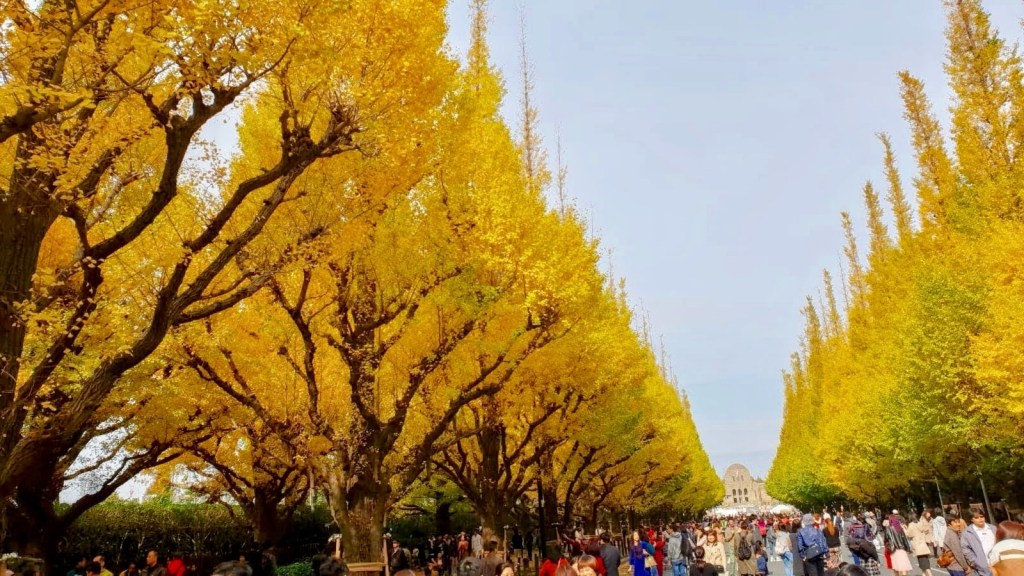
Ginkgo fans of gold drift, a lean west wind chills. Sunlight flickers through the treetops, evening comes along. Homebound folk tighten coats, quicken steps, shadows hurry past.
Hot dishes tempt empty stomachs, aroma fills the room. Family gathers round the table, chewing and laughter blend; warm meals, modest living shared, with cozy pleasure.
The clear, still night beneath a bright moon, tea fragrance by the railing. Children drift into sweet slumber, eyes and brows smile gently. Couples gaze in silent accord, together guarding the new dawn.
Morning light streams through the window, neighbors stir awake. Washing, dressing, early breakfast, the day begins in earnest. Steps carry dreams into the world, another day unfolds.
Since when had the world lost its pure white? People’s outlines blurred at the edges, lines twisted from straight to bent, neon lights overlapped into double images, and the mortal world lay shrouded in yellow sands.
Over time, it became habitual, colored notions seeped into consciousness. Sand in the eyes, narratives veil what we see and hear, layer upon layer, truth was veiled from sight.
Clouds drift across the vast sky, the evening glow persists, the sun sets in the west, and dusk returns again. Mountains gray with age, trees grown old, flowers drifting on flowing water, stars dance slowly, the sun and moon revolve. True and false, real and unreal, yet human life remains rich and full of color.
In this distorted post-truth world, facts are rewritten again and again, becoming the new normal.
As long as you are willing to swap in the lens of conscience, the world returns to pristine white—unchanged by how we see it.
Notes
Recently, I had cataract surgery. The world before my eyes became brilliantly clear—contours, lines, numbers, and lights all sharp, with no double images; before, the world seemed shrouded in yellow sand.
“Neon lights” symbolize the glittering, decadent urban life, also echoing “the mortal world.”
The second stanza reflects the pre-surgery vision, symbolizing how truths and falsehoods in the world can obscure reality.
The third stanza emphasizes that nature and human life remain vibrant and colorful; even if people distort reality, the true nature persists.
The final stanza uses the post-surgery restored vision of pure white as a metaphor: by “replacing with a lens of conscience,” one can return to perceiving the immutable, pristine true nature, unaffected by truths or falsehoods.
A blink, a flicker of vision— eyes adjusting; suddenly, the world turns snow-bright and clear. Contours, lines, numbers, like delicate carvings, all enter the eye.
The view opens, renewed and lucid. For a moment— fruits and blossoms stir in a gentle breeze, birds busily nest in the trees, insects and butterflies among the flowers— lifting a new awareness.
A miracle of modern medicine; a brief procedure, half an hour of light sleep, an artificial lens set in place— in an instant, the heart lightly brushes the world. Like a newborn child, peering into life’s mystery.
As if in another lifetime, unaware— former sight was veiled by a pale yellow curtain, blurring images, light and shadow merging into double vision. So it is with consciousness, until clarity returns.
Notes:
Light Returns The light has always been there; it was merely obscured. Now it “returns to its proper place.”
复视 = Double Vision The word “复视” carries three layers of meaning in the poem:
Consciousness level: old experiences overlapping with reality; habits coexisting with truth; thinking one sees clearly, when in fact perception is still unclear
The sun peeping through the clouds, the vast, azure skies, the boundless earth.
Majestic seas and mountains, resplendent rivers and lakes, mysterious forests and hidden valleys.
Brocade of rainbows, mesmerising evening glow, longing for the setting sun
You grant me a lifetime of seeing, knowing, and insight.
life-giving light, the nourishing rain, growth and decay, the turning of day and night, the cycle of seasons.
The movements of sun, moon, and stars, the life of all things in nature, the myriad forms of the universe, the encounters and destinies of life, the heart’s whispers and dreams in the night sky.
Without you, I cannot see——
The vast heavens, the sun’s brilliance and moon’s gentle glow, the everchanging, ever-shifting clouds and winds, flowers poised to bloom, birds soaring free, the love of family, the warmth of life.
My world would be—— pitch-dark, dim and shadowed, heavy with stillness.
Now, you have given all, your last threads spent, your tears run dry, it is time for rest and renewal.
Fortunately, a new lens is all that is needed, for the world to shine through once more, and you will continue to be with me for the rest of my life——
my eyes.
Literary Note:
Drawing on Tang dynasty poet Li Shangyin’s lines, “The spring silkworm spins silk until death; the candle burns to ash before its tears run dry,” this evokes the gradual exhaustion of countless threads, the draining of inner strength, a lifetime of seeing, long years of labor, quiet dedication, until the calling is fulfilled, and at last comes the moment of rest and renewal.
Mountains and waters upon mountains and waters, easy, free-spirited, at leisure, drifting in effortless ease.
The heart mirrors sun and moon, clouds thin, winds gentle; as poetic feeling flows freely, the spirit roams the cosmos.
Buoyant in the mortal world, a boat passes lightly; where peaks turn and rivers bend, a new world quietly unfolds.
With grace, connections arise, relax, letting the path of truth show. As the tide of thought settles, everything is complete and clear.
Spiraling galaxies, years flowing by; In a flicker of sudden insight, permanence and stillness.
Beginnings and endings, comings and goings, clear, plain, and quietly serene.
Notes:
1. Inspiration
Yesterday a friend messaged me, mentioning his fondness for 李清照‘s《声慢慢》. Later, I watched the video by “致远书香” on 《声慢慢》, and a wave of poetic feeling stirred within me, inspiring this short poem.
2. Graceful in the Mortal World
“Graceful in the mortal world” — a metaphor for moving lightly through worldly life, letting go, passing gently, and perceiving new realms of insight. To release, to ease, to flow delicately — this is how one senses and realizes a higher state of being.
3. Inner completeness and clarity
“盈盈清清” evokes a sense of inner fullness, completeness, and clear purity.
4 Cosmic Flow and Sudden Insight
Spiraling galaxies, flowing years, a flicker of sudden insight, permanence and stillness — crossing time and space, experiencing the momentary flash of awakening that connects with eternity, a sense of lasting calm and quiet.
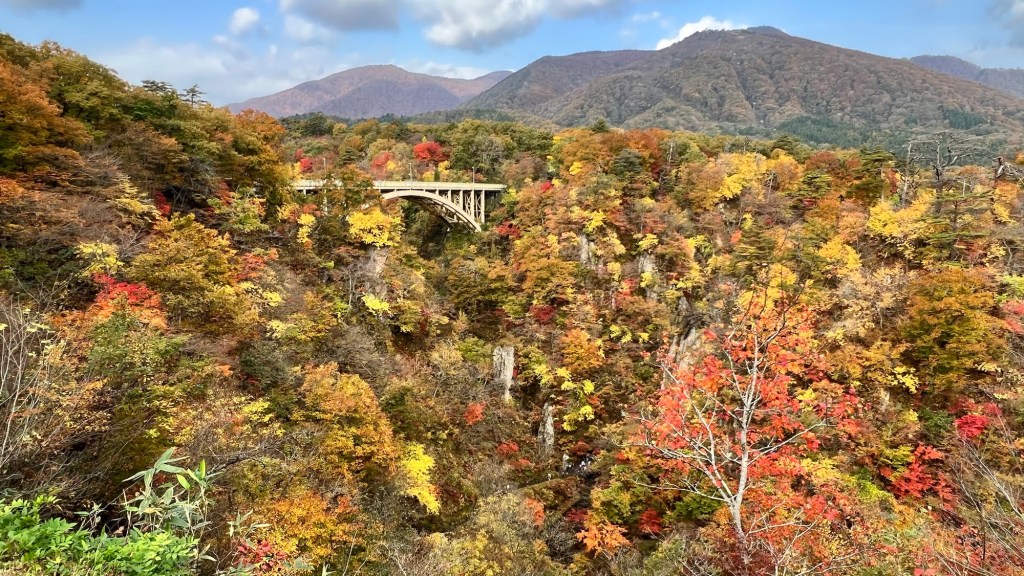
Ginkgo fans the wind, a thousand branches dance; A sudden breeze, lifts golden wings in flutter, brushing the earth like a painted scroll— autumn deepens.
Returning in scarlet dreams to the maple-filled forest; when intoxication fades, crimson leaves quiver in the eye’s reflections, drunken on the verses— recalling lingering red.
Wild geese fly south, gazing homeward; half the sky drifts with clouds, yet clouds cannot still the heart’s restless thoughts, day and night the path back home— a heart longs to return.
Youth and beauty bid farewell to autumn as winter nears; after the wind has stilled, fallen leaves speak no word of coming or going, old dreams drift with the wind, even as they return in echoes.
Notes:
1|First Section|Visual Beauty: Autumn Unfolding
“Fans the wind”: The ginkgo leaves resemble small fans. The personification is natural, capturing both form and the rhythm of the wind.
“A thousand branches dance / golden wings flutter”: Full of motion, the imagery is brilliant yet restrained, preserving the crisp clarity of autumn.
“brushing the earth like a painted scroll”: The landing point is exquisite, grounding the ephemeral beauty of the sky onto the earth.
This section is not merely observing autumn, but autumn actively unfolding itself.
2|Second Section|Dream and Intoxication: From Scene to Heart
“Returning in scarlet dreams”: In the dream, one looks back and recalls the autumn colours ie beauty of the past.
“as intoxication fades, crimson leaves quiver in the eye’s reflections: Though awake, the residue of intoxication remains; the old dream persists, and the colors of the maple forest are still mirrored in the eyes.
This section completes the transition from external beauty → internal memory.
3|Third Section|Homesickness: The Weight of Emotion
Wild geese: Southbound migratory birds, in autumn season, symbolizing both homesickness and the journey home.
“yet clouds cannot still the heart’s restless thoughts, day and night”: Even half a sky of drifting clouds cannot shield the heart from the ceaseless, tangled thoughts of homesickness.
This section extends the “old dream” from personal memory to a shared human emotional experience.
4|Fourth Section|Letting Go and Returning
“Blossoms of the past” (芳菲): Refers to moments of past flourishing—whether in emotion, life, or worldly prosperity.
“Not speaking of coming or going”: This is not ignorance of what comes or goes, but non-attachment; one sees events unfold without questioning or clinging to outcomes.
“even as they return in echoes” (几回重): This does not deny the recurrence of emotion, but acknowledges it—memories return, old dreams revisit; neither resisting nor indulging, this reflects a wisdom attuned to the realities of life.
In this section, there is no moralizing, no conclusion, only an attitude: See, accept, move with the wind, and follow fate with ease.
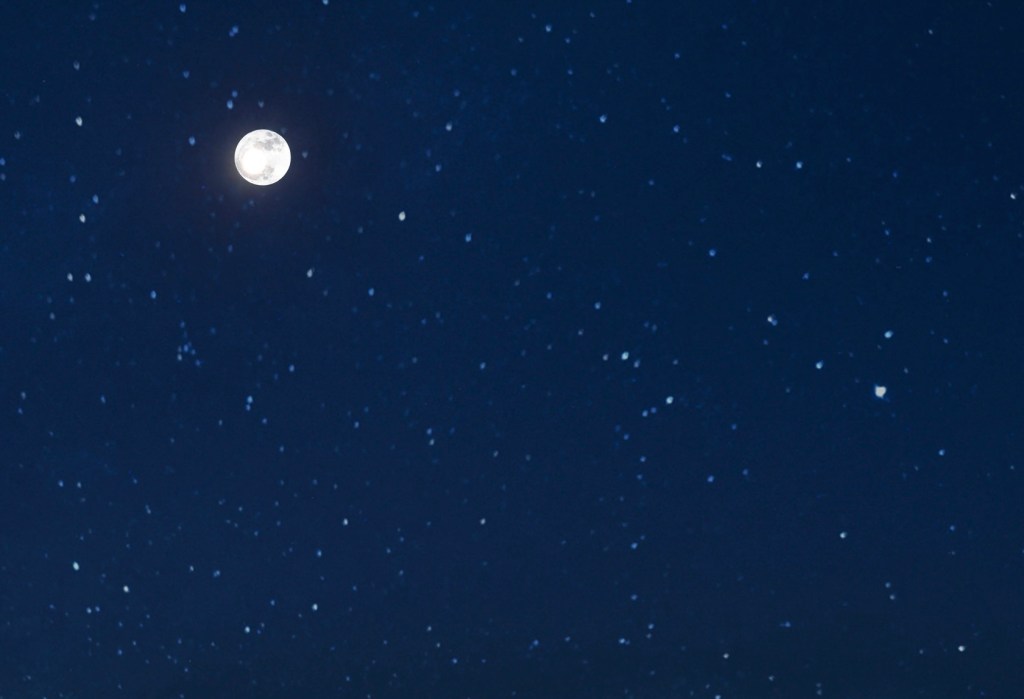
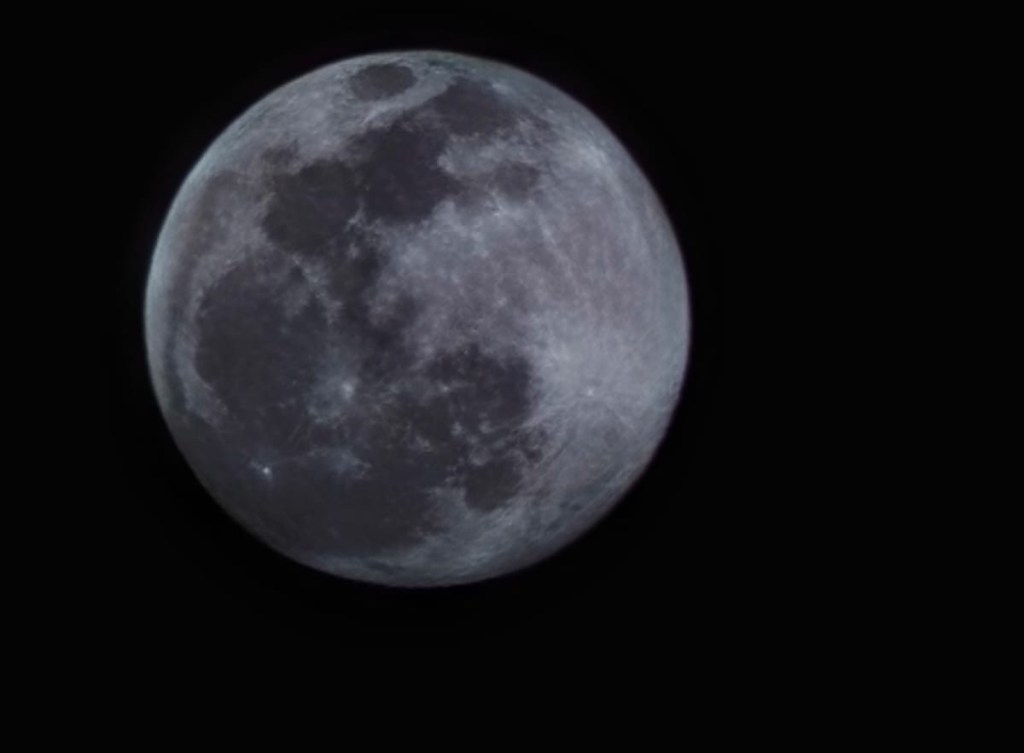
The moon waxes and wanes, and yet it speaks, the years pass and return, silently.
The moon rises and sets again, clear skies, then clouds obscure, its brilliance, in time, meets eclipse, time morphs into flowing years.
The vast skies stand eternal, the heart glows with the bright moon. United, we forge a flourishing age, year after year, we safeguard the luminous moon.
The tide rises and falls, indifferent, the flowers bloom and wither, yet full of feeling.
The tide swells and then subsides, it surges forth, and then retreats. Waves roll in endless layers, until the tide rests, lapping the shore.
The tide comes, flooding my thoughts, the tide goes, leaving no trace. Waves sift the sand again and again, each generation rises anew.
Note 1: After reading the Song dynasty poetess 李清照的《残花》- Li Qingzhao’s “Fallen Flowers” —
“Flowers bloom, flowers fall, flowers have no regrets; Fate comes, fate goes, fate flows like water.”
Inspired, I wrote a little poem.
Note 2: 李清照 (March 13, 1084 – 1155), styled易安居士, the cultured lay scholar of Yi’an(literary pseudonym that reflects refined scholarship, spiritual cultivation, and genteel detachment), was from Qizhou, Zhangqiu (northwest of present-day Zhangqiu, Jinan, Shandong), and lived in Jinan. A Song dynasty poetess and representative of the 婉约派 (delicate and restrained style), she is celebrated as “the greatest talented woman of all time.”
Note 3:
“屡屡” → repeatedly, over and over
“浪淘沙” → waves sift the sand; a natural force that screens and cleanses
Imagery: The tides surge continuously, washing and purifying everything in their path.
Metaphor: The passage of time, the cycles of history, and the trials and choices of life — like a constant reshuffling of cards, starting each time with a fresh new deck.
“新人立” → new generations rise, taking their place after the previous ones
Imagery: After being sifted and tested, new forces stand firm and unshakable.
Metaphor: The succession and renewal of history and human life.
Fireworks vanish in a flash, blossoms soon drift away. Youth dissipates like falling flowers. flowing waters never meet again.
Mindful diet, careful steps, sickness wanes, longevity grows. Life cherishes richness of color, not the mere lengthening of years.
Clarity of heart, cultivating grace; mellow emotions, few desires. An orchid heart, still as a quiet pool; a lucid mind, timeless as mountains and rivers.
Deep, restful sleep, healing quietly unfolds. Zhuang Zi dreams he is a butterfly; Sweet dreams linger, dawn comes unnoticed.
Wandering the ten directions, one mind eases into emptiness. Past and present arise from here; from the world’s edge, we return to this moment.
Living simply, at ease with fate, finding joy in the ordinary. Kindred souls share long intoxication; knees drawn close, we wake to heart-to-heart talk.
Warm meals, simple comforts; Care in every word and gesture. After all, what is love— Between loving and being loved.
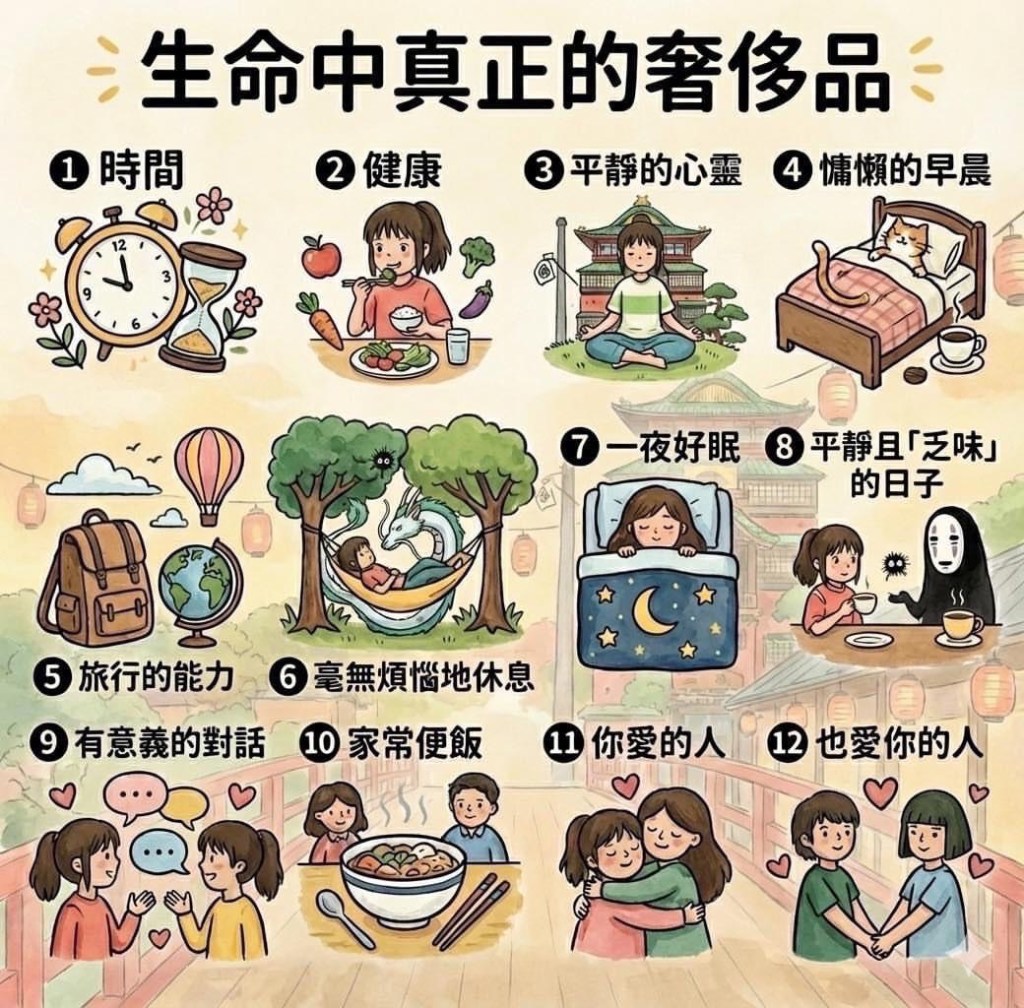
Note 1: In the morning, a friend shared a health-and-wellness post in their social media feed about “the true luxuries in life.”After seeing it, I wrote this little poem. 🙏😃
Note 2:
“兰心如止水”
兰 (lán) → orchid, a flower long associated in Chinese culture with purity, grace, elegance, and noble character
心 (xīn) → heart, mind, or inner spirit
So 兰心 literally = “orchid heart,”metaphorically.
Figurative / poetic meaning – refined, gentle, and virtuous inner nature. Elegance, serenity, and purity of character. Often used in classical poetry to describe someone’s spiritual or moral beauty rather than physical beauty.
“Zhuang Zhou dreams the butterfly”
From 《庄子·齐物论》: “Zhuang Zhou dreamed he was a butterfly.”
It symbolizes the blurring of reality and illusion, the inseparability of self and world, and represents dreams, emptiness, and spiritual freedom.
“Sweet dreams linger, dawn comes unnoticed.”
Adapted from the 五言绝句《春晓》 by the Tang poet 孟浩然 -“春眠不觉晓”。
The two words “dream fragrance” (梦香) evoke sensory pleasure, comfort, and immersion; the idea is sleeping so soundly that one forgets the morning has arrived.
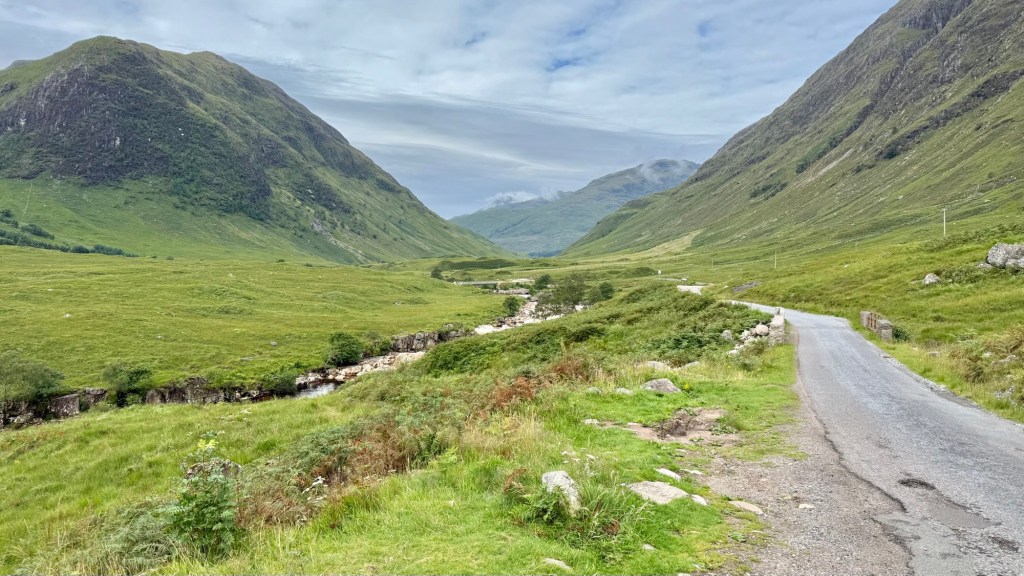
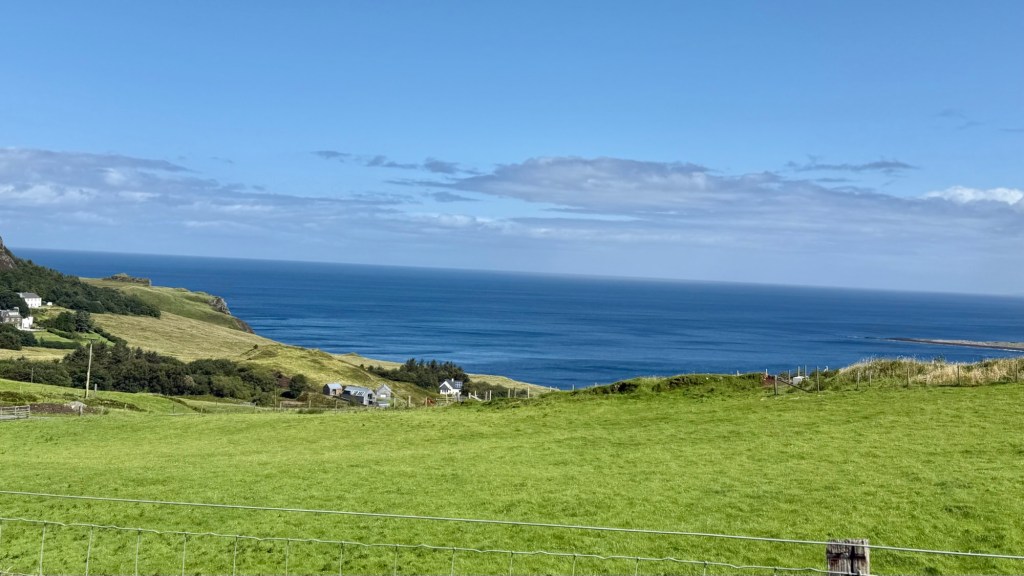
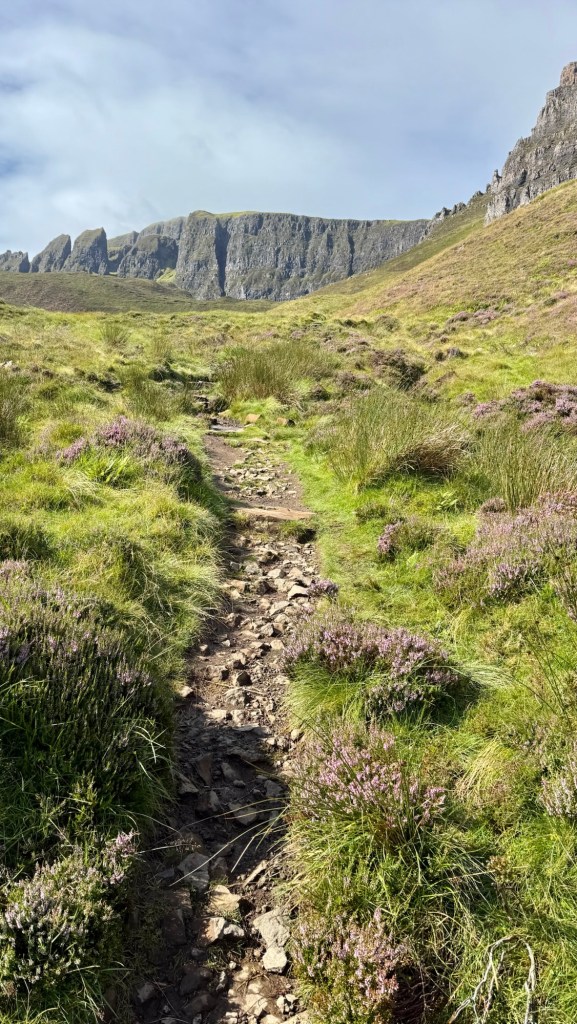
苏格兰格伦科 Skyfall road, Glen Etiv, Glencoe, Scotland 28.7.2025长湖、海景,斯凯岛 Loch Long and sea from Flodigarry Pods, Iske of Skye 3.8.2025斯凯岛朗格湖 Loch Langaig, Isle of Skye 3.8.2025
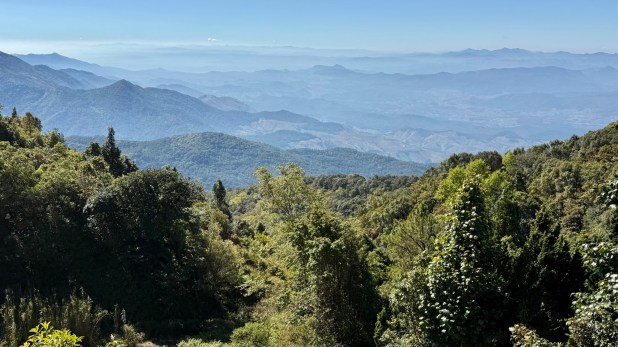
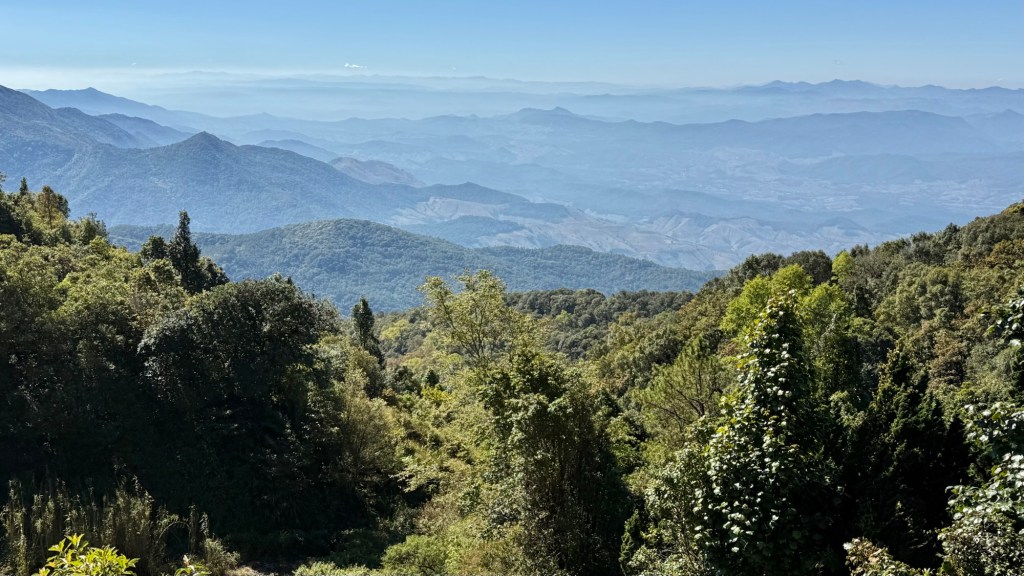
Peaks layer upon peaks, stretching far toward Penglai 蓬莱 (utopia), Rolling grasslands, a mountain path fades into the mist. Youth lingers upon green hills, while time drifts past like floating clouds. Dreams are woven in the bloom of today— Who still clings to beauty long gone?
A gentle blue sky, where time strolls forward from bygone ages, clouds drift gently, where civilisation and culture flow through generations. Noble spirit echoes through all eternity, while fleeting fame chases the autumn wind. With AI and innovation shaping a new dawn, civilisation did not grow old in vain.
Azure lakes hold the vastness of time and all worldly phenomena, endless flowing waters carry with them the rise and fall of five thousand years. Hand in hand, we open a new world, a single drop becomes a mighty river. The legacy of ten thousand generations begins with youth; white hair arrives with no regrets.
Notes on translation choices:
“无谓江山老” → translated as “civilisation did not grow old in vain” to both acknowledge past glories and struggles, and welcome the new dawn.
“蓬莱” retains mythical flavor as “Penglai”, evoking an utopia or fairyland.
“不妄暮成雪” → translated as “white hair arrives with no regrets”, a life fully lived, evokes an honoured, meaningful, earned transition from youth to age.
“芳菲筑梦醉今朝” → translated as “Dreams are woven in the bloom of today”, keeping its lyrical tone.

 c.h.e.f