怀石料理
胸怀玉石自生温
禅修正果离饥寒
功行深处生茶道
怀石料理呈真味
食材厨艺尽精微
色香味形意相融
至味料理
精工烹饪
应时鲜材
菜色精雅
视味两绝
器皿摆艺
侘寂美学
被褐怀玉
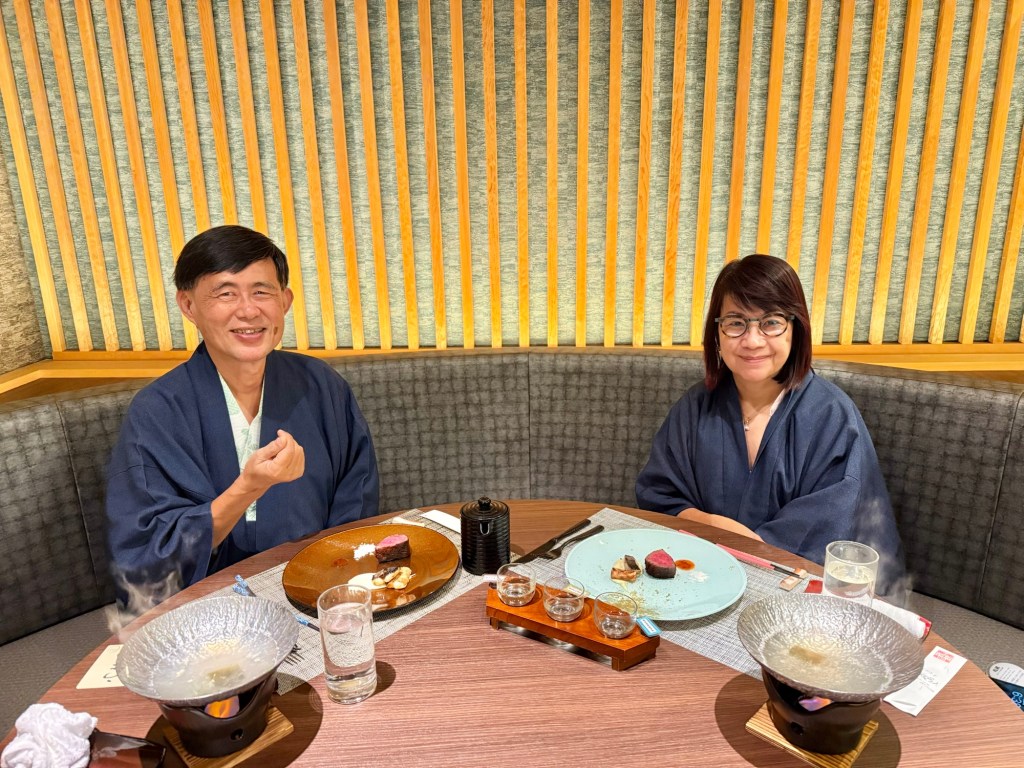
入宿初安
浸泡温泉
松解劳尘
继而怀石
前菜时令
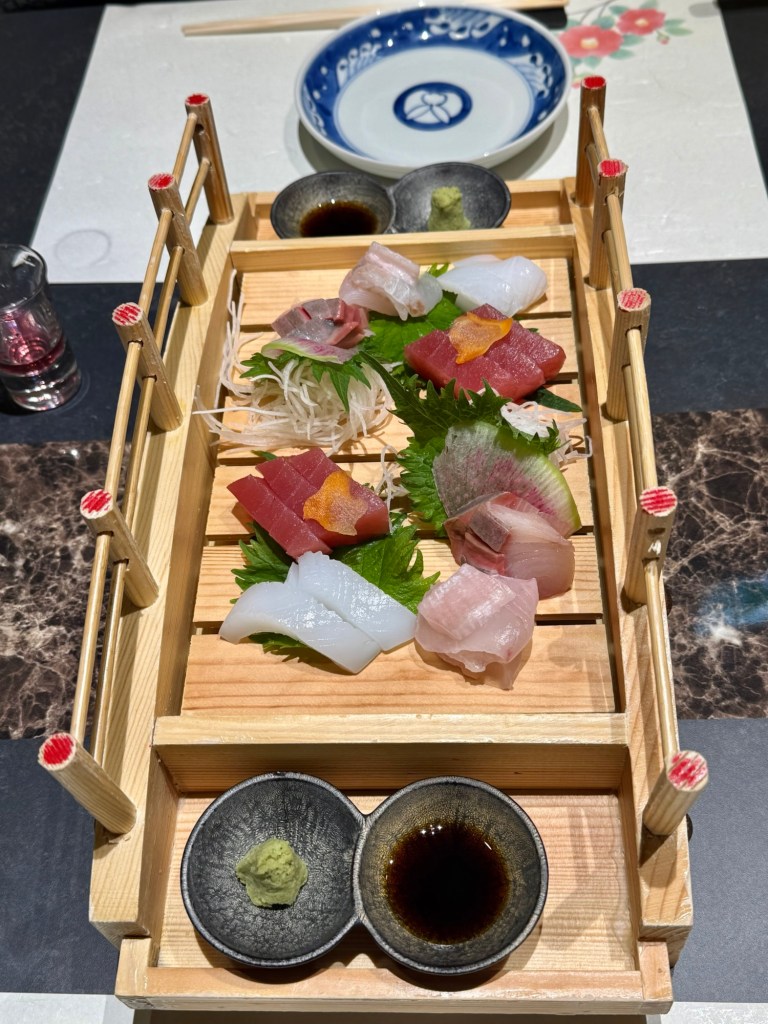
刺身清鲜
煮物蒸物
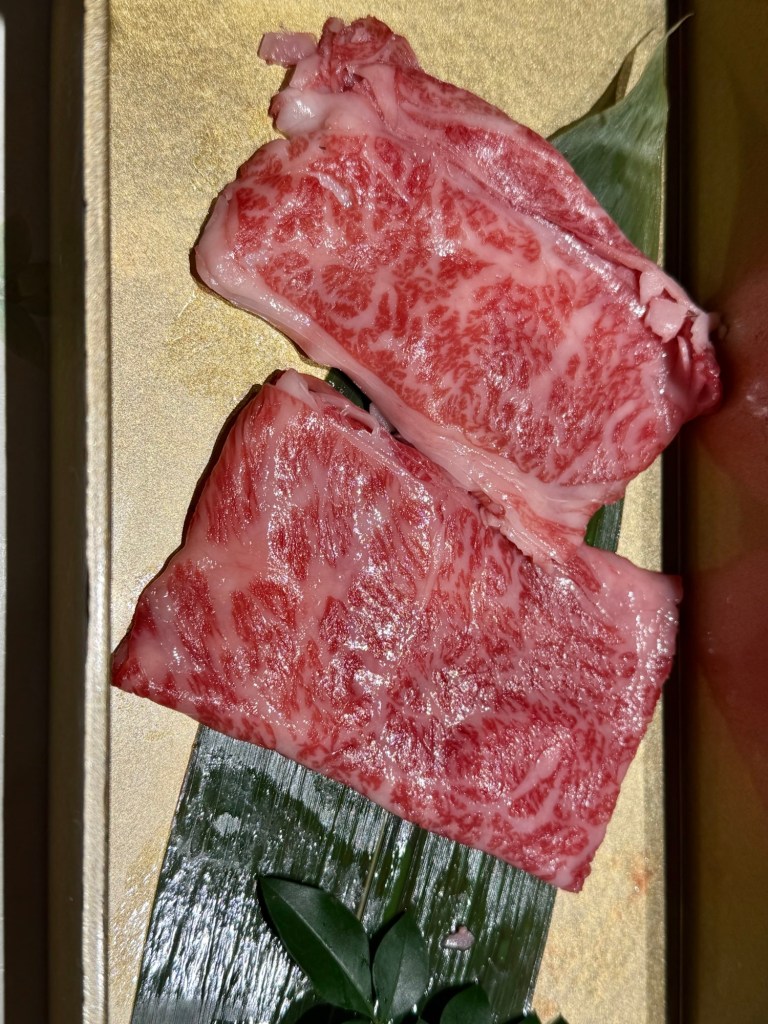
烧物扬物
醋物御饭渍物
季节为鲜
无常见美
大道至简
注笔:
1 怀石料理(Kaiseki Ryori)是日本顶级的高级料理,起源于茶道,强调时令食材、艺术性摆盘和精细烹饪。
- 起源与含义: 起源于茶道,最初是饮用浓茶前享用的简单餐食,旨在款待客人。其名“怀石”意为僧人怀抱热石以抵御饥饿,后寓意“被褐怀玉”,强调内在价值,与茶道精神相契合。
- 季节感: 极度讲究使用当季最新鲜的食材,通过食物展现四季的更替。
- 美学体现: 不仅菜品精致,连器皿的选用也极为讲究,被誉为“可食用的艺术”。
- 会席料理 (Kaiseki):谐音相同,但会席料理更注重饮酒享乐,口味更浓郁,不如怀石料理讲究禅意和形式。
2 “被褐怀玉”源自《道德经》,意为表面粗糙破落(被褐),内心怀抱美玉(怀玉)。在怀石料理中,这一理念体现了“侘寂(Wabi-sabi)”精神:外表质朴、自然,内在精致、蕴含美味。
3 “侘寂(Wabi-sabi)美学”在怀石料理中体现为在短暂、不完美、自然与朴素中发现美。它通过呈现时令食材的本味、强调流动的季节感、“无常”与“不完美”的艺术感,营造一种禅意的用餐氛围。
c.h.e.f andy
===================
published on 9.4.2026
怀石料理 Kaiseki
Cradling warmth like stone against the breast,
Through Zen practice, one transcends hunger and cold.
At depth of discipline, the tea path emerges,
And kaiseki reveals its true taste.
Ingredients and craft refined to subtlety,
Where color, aroma, flavor, form, and spirit unite.
Cuisine of utmost essence,
Meticulous culinary craft,
Seasonal ingredients at their peak,
Dishes of quiet elegance,
Sight and taste in perfect harmony,
Vessels and plating as art,
The beauty of wabi-sabi,
Simplicity concealing inner worth.
Settled at the inn,
Soaking in the onsen,
Dust of travel gently released,
Then the kaiseki begins.
Appetizers of the season,
Sashimi, pristine,
Simmered and steamed courses,
Grilled and fried delicacies,
Vinegared dishes, gohan, and pickles.
Season defines the freshness,
In impermanence, beauty appears,
The great way lies in simplicity.
Notes
1. Kaiseki Cuisine (Kaiseki Ryori)
Kaiseki Ryori is Japan’s highest form of refined cuisine. Originating from the tea ceremony, it emphasizes seasonal ingredients, artistic presentation, and meticulous preparation.
Origin and Meaning:
Kaiseki originated within the tea ceremony as a simple meal served before drinking thick tea, intended to host guests with quiet sincerity. The term “kaiseki” (怀石) originally referred to Zen monks placing warm stones against the chest to stave off hunger. It later came to embody the idea of “wearing coarse cloth while holding jade within”—suggesting inner richness beneath outward simplicity, in harmony with the spirit of tea.
Seasonality:
Kaiseki places utmost importance on using the freshest ingredients of the season, expressing the passage of time through food and evoking the changing of the four seasons.
Aesthetic Expression:
Beyond the delicacy of the dishes themselves, great care is given to the selection of tableware. Kaiseki is often regarded as “edible art,” where cuisine and presentation form a unified aesthetic experience.
Kaiseki vs. Kappo/Kaiseiki (会席料理):
Though pronounced the same, kaiseki (怀石) differs from kaiseiki (会席料理). The latter is centered around dining with alcohol, featuring richer flavors and a more indulgent style, while kaiseki retains a stronger emphasis on Zen aesthetics and formal restraint.
2. “Wearing Coarse Cloth, Holding Jade Within” (被褐怀玉)
This phrase originates from the Tao Te Ching, meaning that one may appear plain or humble outwardly while possessing inner virtue and refinement.
In kaiseki, this principle aligns with the spirit of wabi-sabi: an outward simplicity that conceals inner depth, craftsmanship, and quiet beauty.
3. Wabi-Sabi Aesthetics (侘寂)
Wabi-sabi is expressed in kaiseki through an appreciation of transience, imperfection, and natural simplicity. Beauty is found in the fleeting and the incomplete.
By highlighting the inherent qualities of seasonal ingredients, emphasizing the flow of time, and embracing impermanence, kaiseki creates a dining experience imbued with a subtle, meditative, and Zen-like atmosphere.
 c.h.e.f