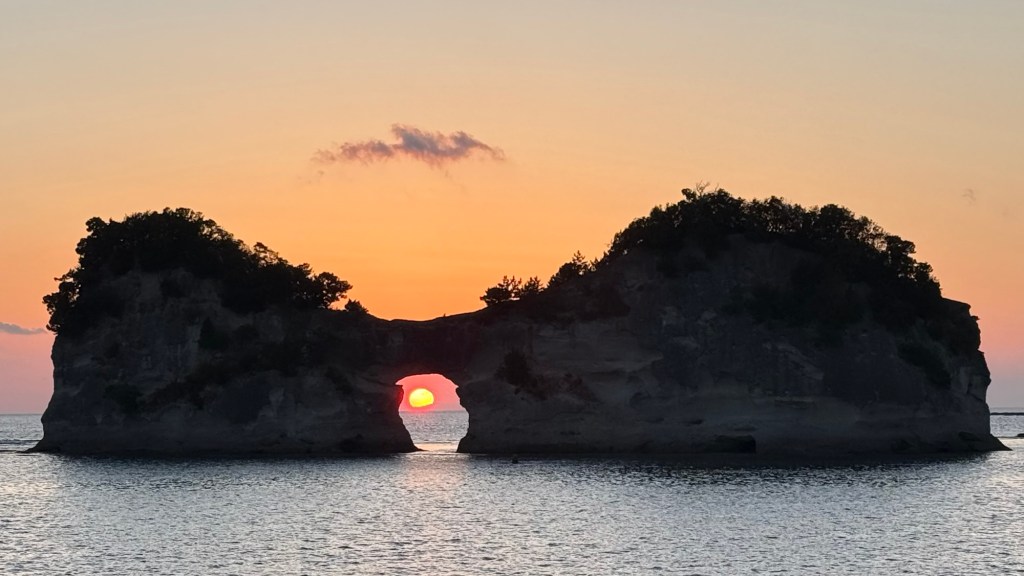
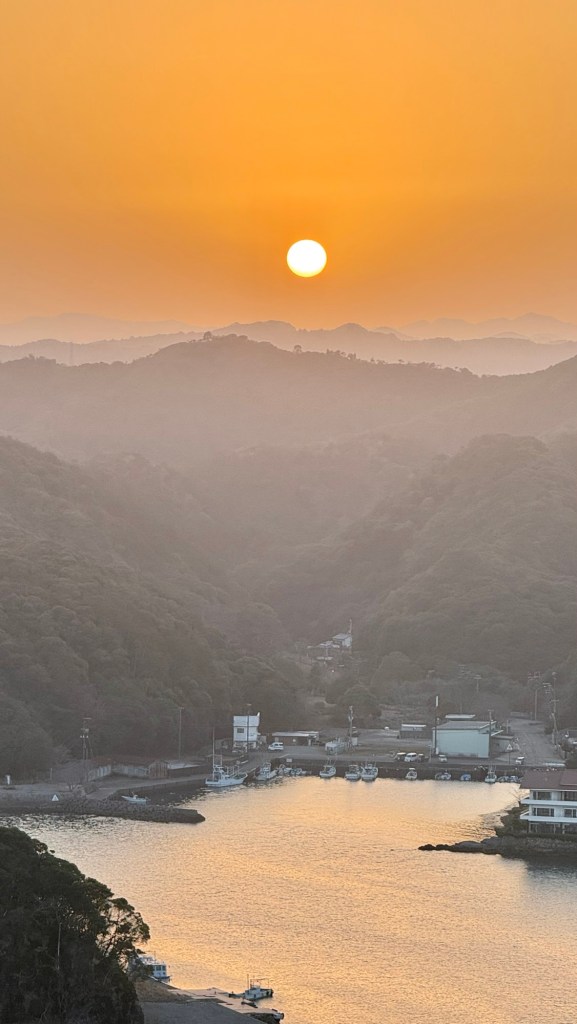
日本和歌山县白滨町円月島日落 sun setting through engetsu island, Shirahama Wakayama Japan 21.2.2026
光影流年
幼时 游戏红尘 潇洒流年 恣意西东 无拘无忌 长路未央 少年不老
昔日 志启鸿图 胸怀万象 纵横机变 运筹无歇 翱翔云端 意气如虹
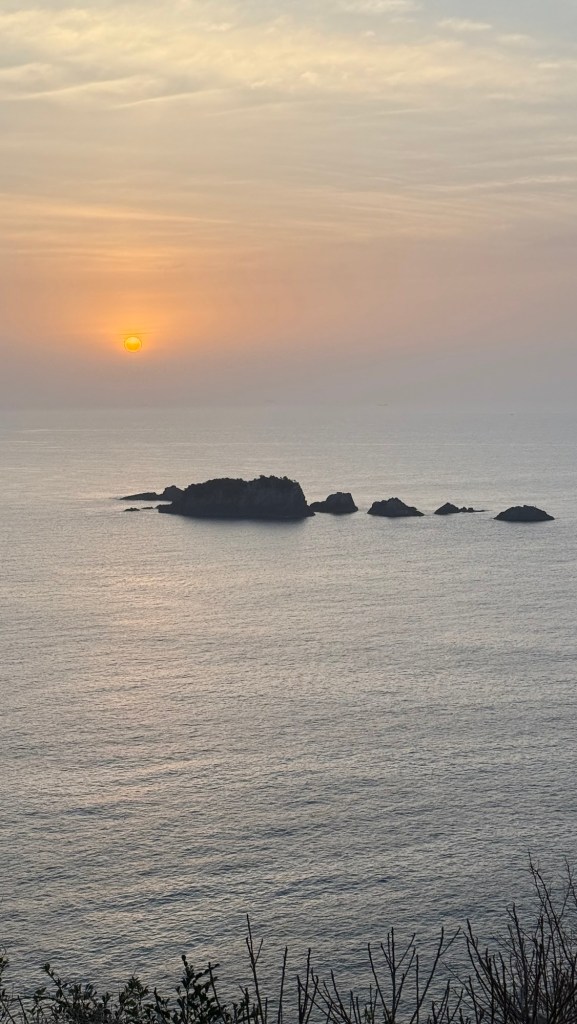
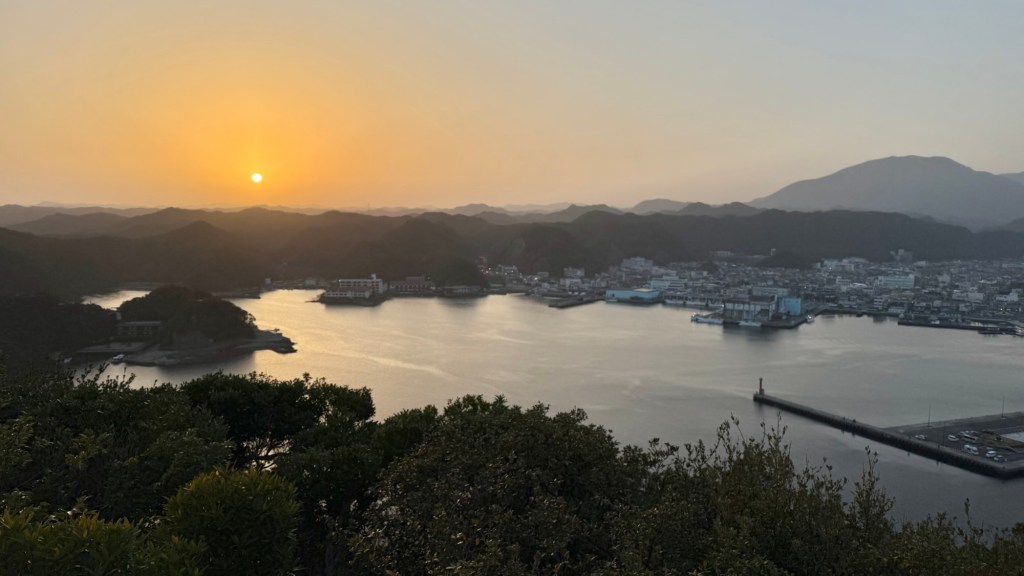
此刻 夕阳西沉 风清云淡 余晖遥处 微光在心 水月流年 安然其间
注笔:
水月流年 — 岁月流逝,如水中月般虚幻,如镜花水月。
c.h.e.f andy
=========================
published on 31.3.2026
光影流年 Light and Shadows of Time
Childhood Playful in the worldly dust, Carefree years drifting by Roam freely east and west, Unbound and uninhibited A long road unending Forever young.
In days gone by, Ambitions set, grand designs unfurl Heart embracing myriad worlds Navigating chance and strategy Planning without pause Soaring above the clouds Spirit radiant as a rainbow.
Now The sun setting in the west, Wind clear, clouds lightly drifting Sunset hues linger afar, A faint glow lights the heart Years flow like the moon in water, At peace in this moment.
Note:
“Years flow like the moon in water” — the passage of time, fleeting and illusory like the moon reflected in water, ephemeral as a flower in a mirror.
Sethi household bathed in grace, and blessings bloom; Journey in deeds and life’s work, bringing peace to the land. Endowed with divine gifts, a worthy talent rises; Zealous to serve the world, he strives towards the Kingdom of Heaven.
侠骨•丹心•镜空:三境 Chivalric Bone · Crimson Heart · Mirror-Emptiness: Three Realms
Ten years, one sword—my will etched deep within; A fleeting spring night—already late autumn. Of three thousand streams, I chose but one—you by my side; With chivalric spirit and tender heart, I never depart.
Ten years as one day — through long autumn nights; Across a thousand mountains, in twilight snow, I await your return. Though these old wings have weathered summer and winter, My crimson heart — I am the one who buries the geese.
Fragrant dust drifts as the years flow on; In life and beyond—cling to nothing, seek nothing. Let the spirit reflect a lucid mirror, To bury flowers, to guard love—both, in the end, fade into emptiness.
Notes
The poem’s three stanzas present three scenes: the resolve to guard love, the sorrow of burying the geese, and the awakening into mirror-like emptiness; they also form three states: guarding love (having), laying love to rest (not having), and freedom from attachment (emptiness).
1 “Ten years to forge a single sword” signifies long discipline and steadfast endurance; love stands firm because the will is firm. Youth and its finest moments pass swiftly—already deep into autumn.
“Of the three thousand streams, I choose but one” speaks of singular devotion; “you by my side” means love already fulfilled in companionship.
“Chivalric spirit and tender heart” refer to one who bears resolve and responsibility, yet also love and guardianship—thus never abandoning nor departing.
2 “Ten years as one day — through long autumn nights” portrays a life of waiting endured in solitude; “a thousand mountains in twilight snow” suggests insurmountable distance, the lateness of the hour, and hope nearly spent. “awaiting your return” expresses a waiting already touched by despair.
“Though these old wings have weathered summer and winter” — even as the years pass, I go on flying, go on waiting, enduring the cycles of time — the height of devotion.
“The one who buries the geese” — I am the one whose love goes unrequited, the one who can only lay it to rest.
This alludes to Jin Dynasty poet, lyricist元好问’s《雁丘词》which depicts the devotion and tragic end of a lone goose: Ask the world: what is love, that it compels devotion unto life and death?
Here, the “burier of geese” is one who witnesses love unto death, yet cannot partake in it — one whose loves go unrequited, who waits in vain, and in the end becomes the one who buries that love.
3 “Fragrant dust” is the lingering trace of beauty, youth, and affection; “the years flow on” reminds that time waits for no one.
“In life and beyond” means that throughout one’s whole existence, and even after, there is no attachment to gain or loss.
“The burier of geese” continues the allusion to Jing dynasty poet 元好问, bearing witness to love as an bystander;
“The one who buries the flowers”—from Dream of the Red Chamber by Cao Xueqin, where Lin Daiyu, likening herself to fallen blossoms, laments the transience of beauty;
“guarding love”— echoing “of the three thousand streams, I choose but one,” denotes fidelity and unwavering devotion.
Whether burying geese, burying flowers, or guarding love— “both are empty” does not deny their truth or depth. Rather, it is through feeling and then seeing through: Even love at its deepest ultimately returns to impermanence.
Youth fades Appearance wanes Bones grow frail Hair silvered by twilight Cheeks bear their marks Eyes and brows tell tales of time
Fortune rises and falls Years spare no one But they don’t get to decide who’s inside of you
— Don’t let the old man in!
Aging is nature’s way My mind remains my own The fire still burns within Passion flows on Listen to the heart
Don’t let the old man in! — Don’t hand him the keys
With childlike heart and curious eyes I seek Joyful surprises and fulfilment Unfettered freedom
Sun’s first light Greenery and blue skies Birds sing, blossoms scent the air Simple pleasures of daily life Reconnecting old friends, crafting new verses Eternity glimpsed in a single moment
The clock tick-tocks Time knocks at the door The heart-lamp burns on A melody yet unfinished
—Don’t let the old man in!
Notes:
The other day, I came across a video song on social media — “Don’t Let the Old Man In.” The lyrics resonates deeply with my present stage of life and state of mind. Inspired, I wrote this short poem on the same theme.
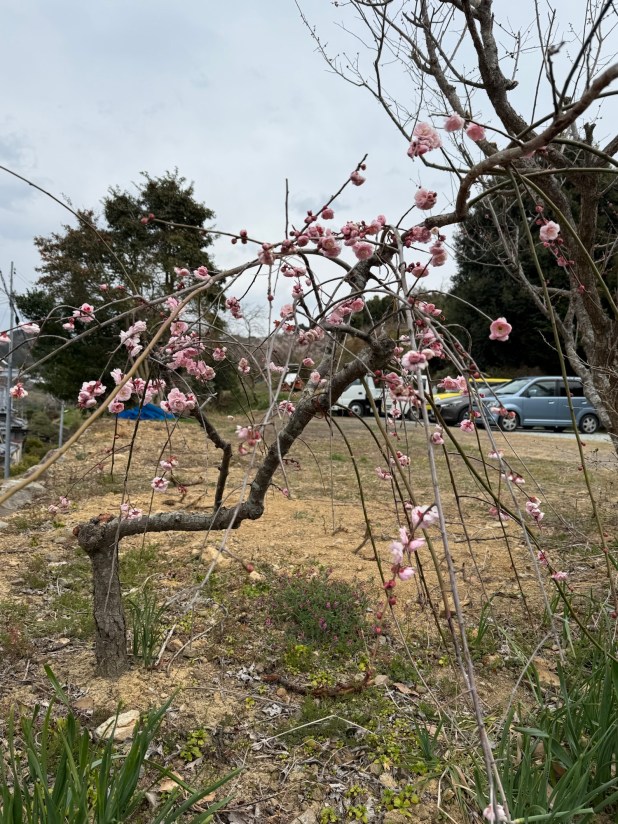
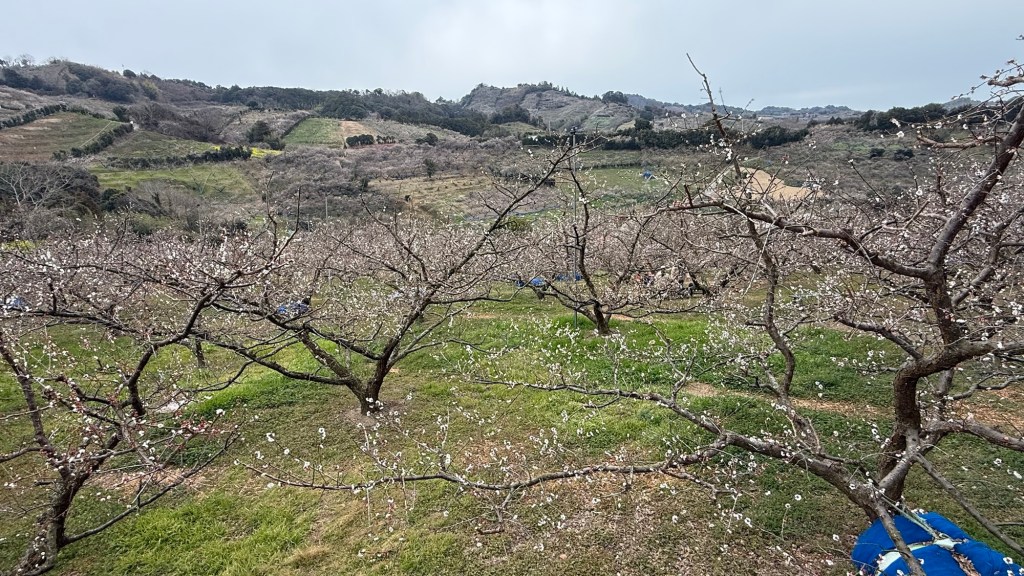
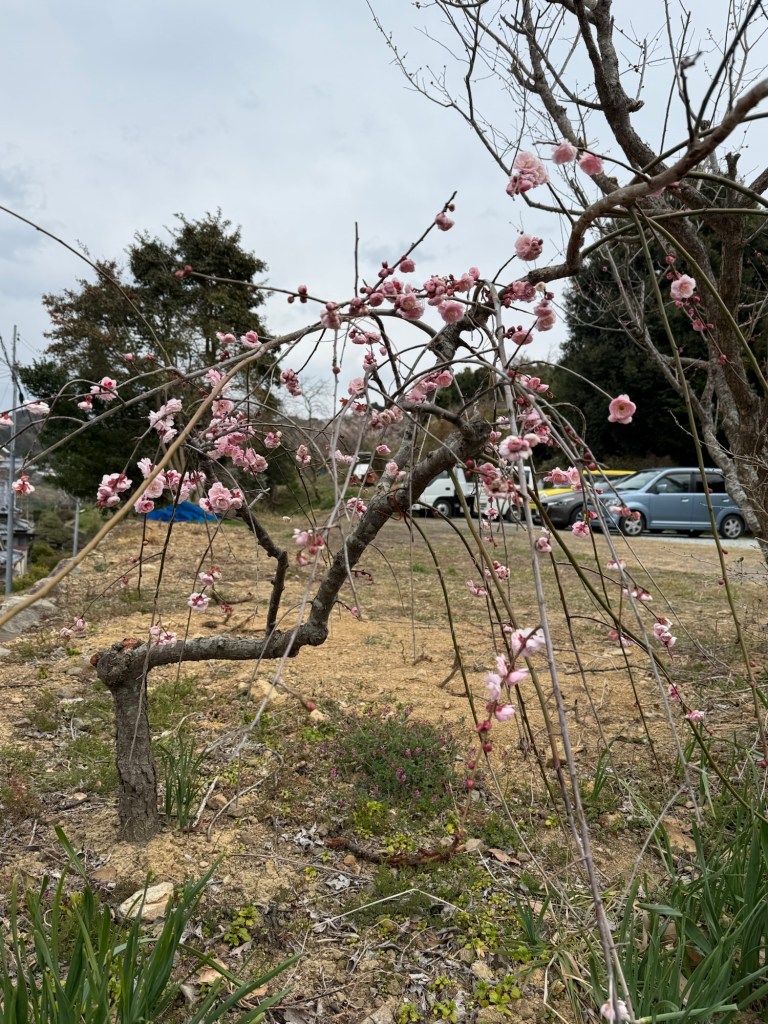
Plum blossoms glimmer amid the snowy green hills, White, red, and pink adorn the land with fragrant grace. In the second lunar month, the blossoms fill the plum grove and shrines; Visitors come, seeking their scent and beauty.
The Four Gentlemen — Orchid, Bamboo, Chrysanthemum, Plum: Refined, steadfast, unassuming, and proud — each with its own elegance.
Spring orchids breathe pure fragrance in secluded valleys; Summer bamboo stands upright, with a humble heart and noble spirit. Autumn chrysanthemums live in quiet retreat, indifferent to fame; Winter plums defy the snow, standing through the night and chill.
Scholars and poets have sung of them through the ages; Brush and ink have brought them into paintings and couplets.
A wanderer walks leisurely, Seeking quiet places for plum blossoms. Along the path, where flowers grow deep, Tender branches sway, Shadows of blossoms quiver in the breeze.
Roaming the grove in plum season, Beneath shrine-side blossoms, A thousand trees burst into bloom— How many times does such beauty return?
Notes
杏月: Refers to the second month of the lunar calendar. 林社: Refers to plum groves and shrines, i.e., the plum trees are planted in groves or beside shrines.
Orchid, Bamboo, Chrysanthemum, and Plum (兰竹菊梅): Known as the “Four Gentlemen of Flowers.” Each represents a season—spring, summer, autumn, and winter—and embodies a distinct elegance. These motifs have long been favored by scholars and literati for composing poetry, writing couplets, and depicting in landscape painting and calligraphy.
翰墨与丹青:
翰墨: Brush and ink, representing calligraphy
丹青: Red and blue pigments, representing painting
翰墨丹青入画联: The elegance of the Four Gentlemen is expressed in calligraphy and paintings, often incorporated into couplets or visual artworks.
Lofty ambition rises with spring, as flowing waters run their course; as clouds drift, and the ten thousand things of the world pass like fleeting light.
A wild goose passing — a fleeting trace. Beyond east and west. Eloquent in life, Silent in death.
The morning sun peers forth, Leaves and shadows shimmer, Fledglings leave the nest, Branches cradle tender buds.
Wild geese wing a thousand miles, toward warmth and home. How many sunsets as summers and winters pass?
Dawn breaks clear, The long river bursts forth. A thousand years of beacon fires, forged a rebirth.
The divine land rises, Mountains and rivers stretch before us. Building dreams in the fragrant spring of youth, The great path of civilisation shines anew.
Notes:
Themes and Imagery The poem depicts the brevity of human life, the cycles of nature, and the renewal of civilization.
The great bird’s lofty ambition is like spring blossoms — vibrant and flourishing — yet, like spring waters and drifting clouds, it naturally fades.
The myriad worldly phenomena (红尘繁花万象) are fleeting, passing like ephemeral light.
From the rising morning sun to the passing of summers and winters, the poem traces the regular cycles of day and season.
A thousand years of beacon fires have tempered a rebirth, symbolizing how long struggles and trials culminate in renewal.
The rise of the new China and the efforts of the new generation are portrayed as building dreams in youth’s fragrant spring, bringing about the renewal and flourishing of civilization.
Literary Allusions — Life and Reputation The lines “Eloquent in life, Silent in death” draw inspiration from the Song dynasty poet-general Xin Qiji (1140–1207):
“To settle the emperor’s realm, earning fame both in life and after death.” differently here, the author conveys a sense of detachment from fame and personal gain, living life freely and with composure, while all things ultimately return to quietude.
Literary Allusions — Transience of Actions The poem also borrows the imagery of the Northern Song poet Su Shi (1037–1101):
“Life everywhere — what is it like? It should be like a wild goose stepping on snow-covered mud; traces are left only by chance, but the bird, once flown, no longer calculates east or west.” This evokes the notion that events pass like clouds, leaving no attachments, emphasizing impermanence and letting go.

 c.h.e.f