旧梦随风
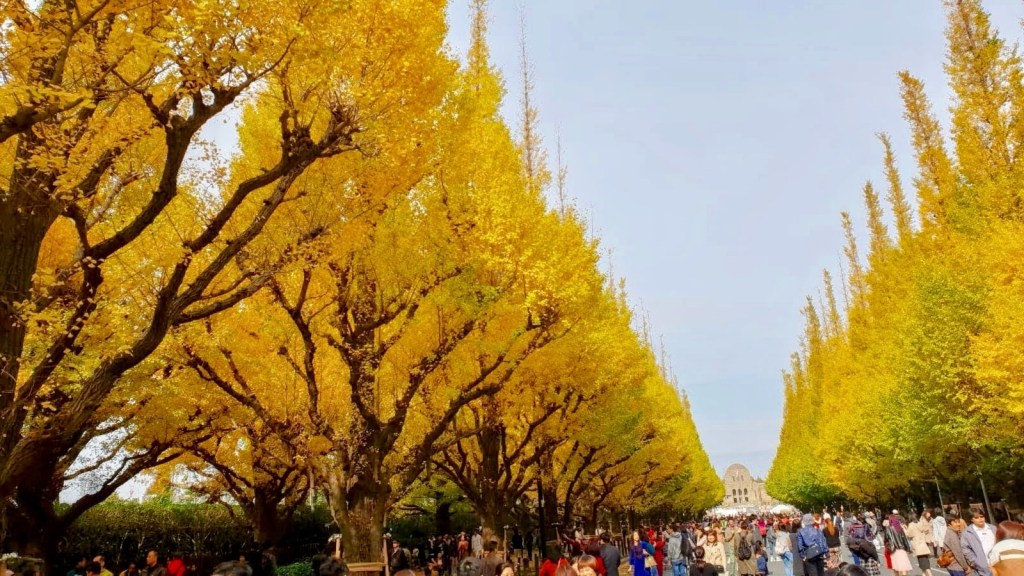
银杏挥扇舞千枝;
一阵风,
卷起金翼翩翩,
染土画卷——
秋意浓。
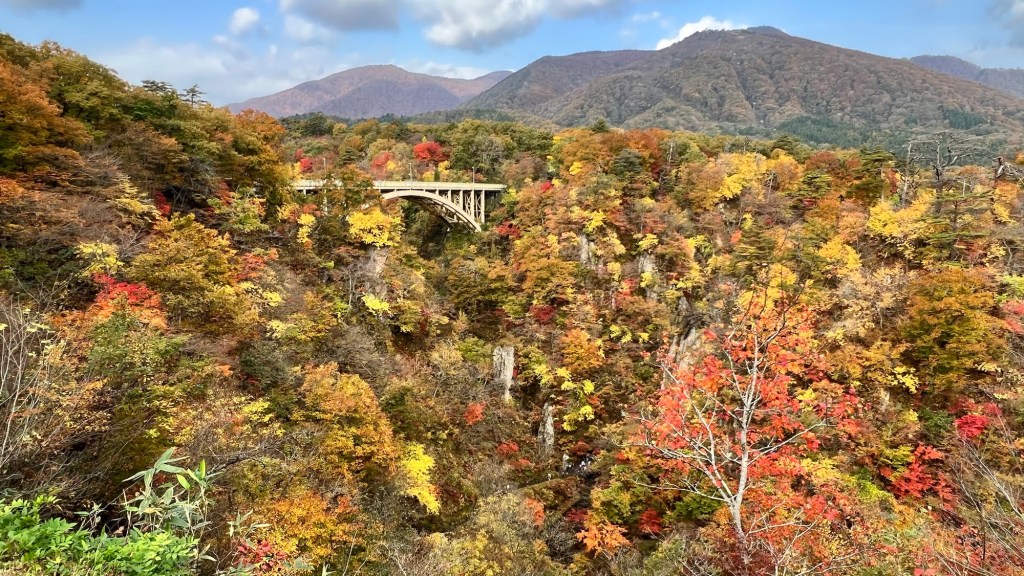
丹霞梦回枫满林;
酒醒时,
瞳映枫叶盈盈,
醉了诗篇——
忆残红。
大雁南飞望乡途;
半天浮云,
遮不断昼夜的盘念,
回家的路——
归心切。
芳菲秋别冬将至;
风静后,
落叶不言来去,
旧梦随风——
几回重。
c.h.e.f andy
注笔:
1 第一段|视觉之美:秋意初起
“挥扇”:银杏的叶,如一把小扇。拟人自然,既写形,也带出风的节奏。
“舞千枝 / 金翼翩翩”:动感充沛,画面灿烂,却不浮艳,保留了秋的清朗。
“染土画卷”:落点极妙,把空中的流动之美,安放到大地之上。
这一段不是“看秋”,而是秋主动展开自身。
2 第二段|梦与醉:由景入心
“丹霞梦回”:梦中回望往昔的秋色美景。
“酒醒时/瞳映枫叶盈盈”:酒已醒,余醉未散;旧梦仍在,枫林之色尚映于瞳。
这一段完成了从外在之美 → 内在记忆的转折。
3 第三段|思乡:情感的重量
大雁:候鸟南飞,秋之所向,亦是思乡与返乡的象征。
“遮不断昼夜的盘念”:
半天浮云,也无法遮断心中昼夜反复缠绕的思乡之念。
这一段把“旧梦”,
从个人的回忆,推向人之共同的情感经验。
4 第四段|放下与回返
“芳菲”:指曾经盛放过的美好时刻——不论是情感、人生,还是繁华本身。
“不言来去”:并非不知去留,而是不执于去留;看见发生,却不再追问结果。
“几回重”:并非否认情绪的反复,而是承认——记忆会回返,旧梦会再临;不抗拒,也不迎合,这正是贴近真实的人生智慧。
这一段里,没有劝慰,也没有结论,
只有一种姿态——
看见、接受,随风而行,随缘而安。
==================
published on 14.1.2026
旧梦随风 Old Dreams Drift with the Wind
Ginkgo fans the wind, a thousand branches dance;
A sudden breeze,
lifts golden wings in flutter,
brushing the earth like a painted scroll—
autumn deepens.
Returning in scarlet dreams to the maple-filled forest;
when intoxication fades,
crimson leaves quiver in the eye’s reflections,
drunken on the verses—
recalling lingering red.
Wild geese fly south, gazing homeward;
half the sky drifts with clouds,
yet clouds cannot still the heart’s restless thoughts, day and night
the path back home—
a heart longs to return.
Youth and beauty bid farewell to autumn as winter nears;
after the wind has stilled,
fallen leaves speak no word of coming or going,
old dreams drift with the wind,
even as they return in echoes.
Notes:
1|First Section|Visual Beauty: Autumn Unfolding
“Fans the wind”: The ginkgo leaves resemble small fans. The personification is natural, capturing both form and the rhythm of the wind.
“A thousand branches dance / golden wings flutter”: Full of motion, the imagery is brilliant yet restrained, preserving the crisp clarity of autumn.
“brushing the earth like a painted scroll”: The landing point is exquisite, grounding the ephemeral beauty of the sky onto the earth.
This section is not merely observing autumn, but autumn actively unfolding itself.
2|Second Section|Dream and Intoxication: From Scene to Heart
“Returning in scarlet dreams”: In the dream, one looks back and recalls the autumn colours ie beauty of the past.
“as intoxication fades, crimson leaves quiver in the eye’s reflections: Though awake, the residue of intoxication remains; the old dream persists, and the colors of the maple forest are still mirrored in the eyes.
This section completes the transition from external beauty → internal memory.
3|Third Section|Homesickness: The Weight of Emotion
Wild geese: Southbound migratory birds, in autumn season, symbolizing both homesickness and the journey home.
“yet clouds cannot still the heart’s restless thoughts, day and night”: Even half a sky of drifting clouds cannot shield the heart from the ceaseless, tangled thoughts of homesickness.
This section extends the “old dream”
from personal memory to a shared human emotional experience.
4|Fourth Section|Letting Go and Returning
“Blossoms of the past” (芳菲): Refers to moments of past flourishing—whether in emotion, life, or worldly prosperity.
“Not speaking of coming or going”: This is not ignorance of what comes or goes, but non-attachment; one sees events unfold without questioning or clinging to outcomes.
“even as they return in echoes” (几回重): This does not deny the recurrence of emotion, but acknowledges it—memories return, old dreams revisit; neither resisting nor indulging, this reflects a wisdom attuned to the realities of life.
In this section, there is no moralizing, no conclusion,
only an attitude:
See, accept, move with the wind, and follow fate with ease.
 c.h.e.f