傲骨· 照大江
——傲骨文心五千年,清风明月抚大江
心怀山河, 神跨古今
千古能贤英雄冢
居乱世,图盛世
侃侃生前功
谁稀身后名?
头顶寰宇,脚踩乾坤
穷尽心力化白发
前人辛,后人凉
水利农商兴
国泰民自强
面刻风霜,身载岁月
折戟沉沙新人立
尊严在剑锋,真理出枪口
临强不惊退
清风拂山岗
左手抚琴,右手挥剑
傲骨文心五千年
人不犯,不犯人
强横任强横
明月照大江
c.h.e.f andy
注:
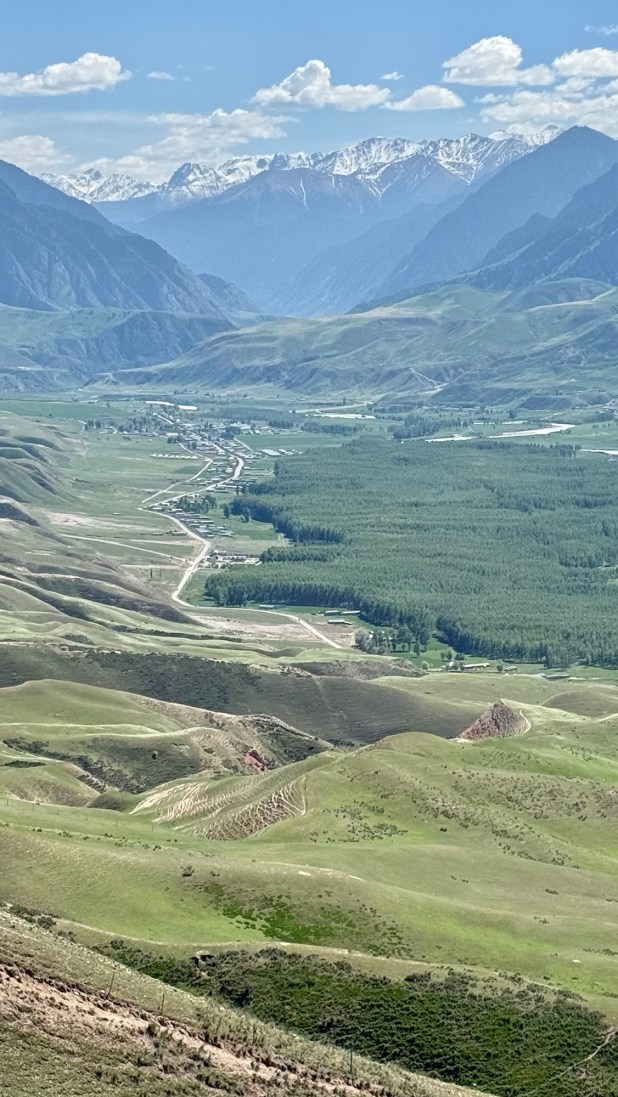
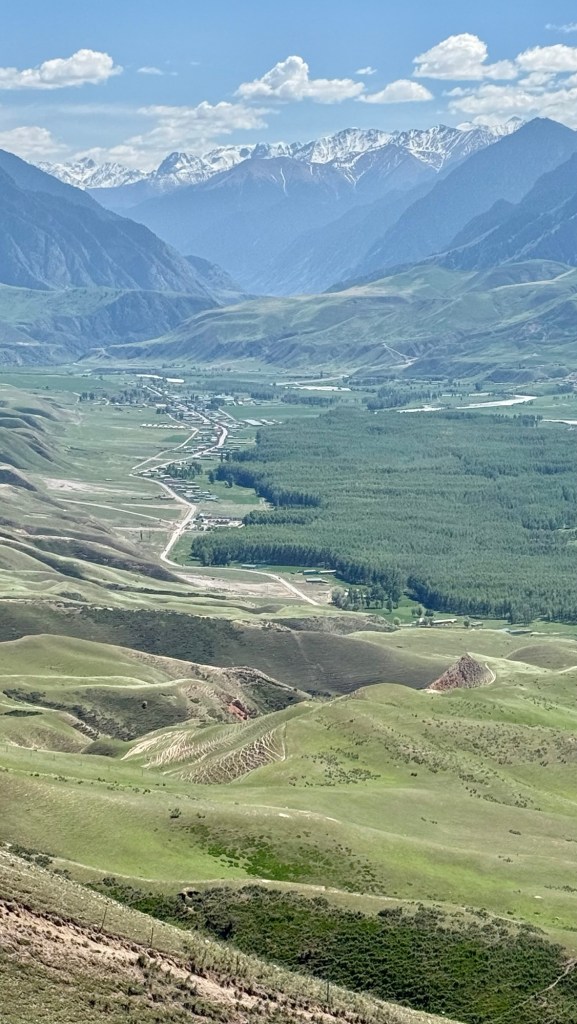
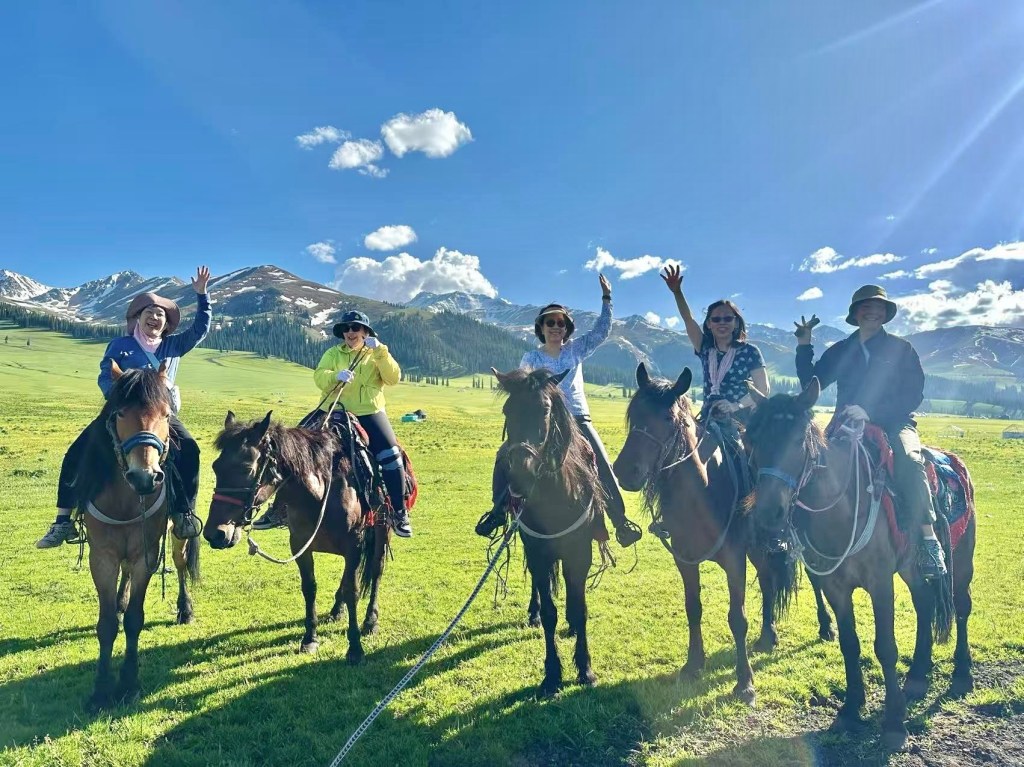
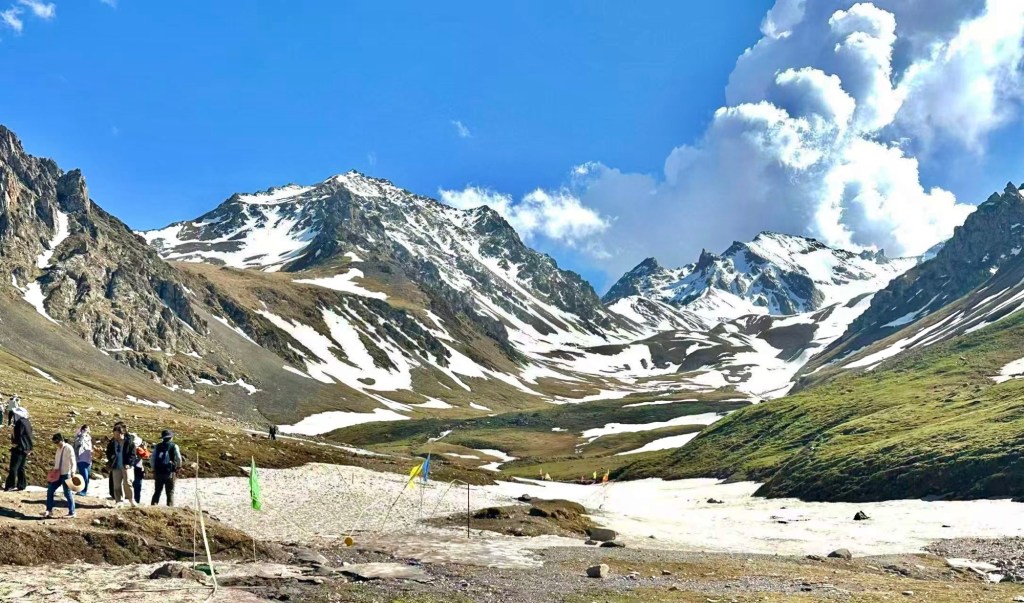
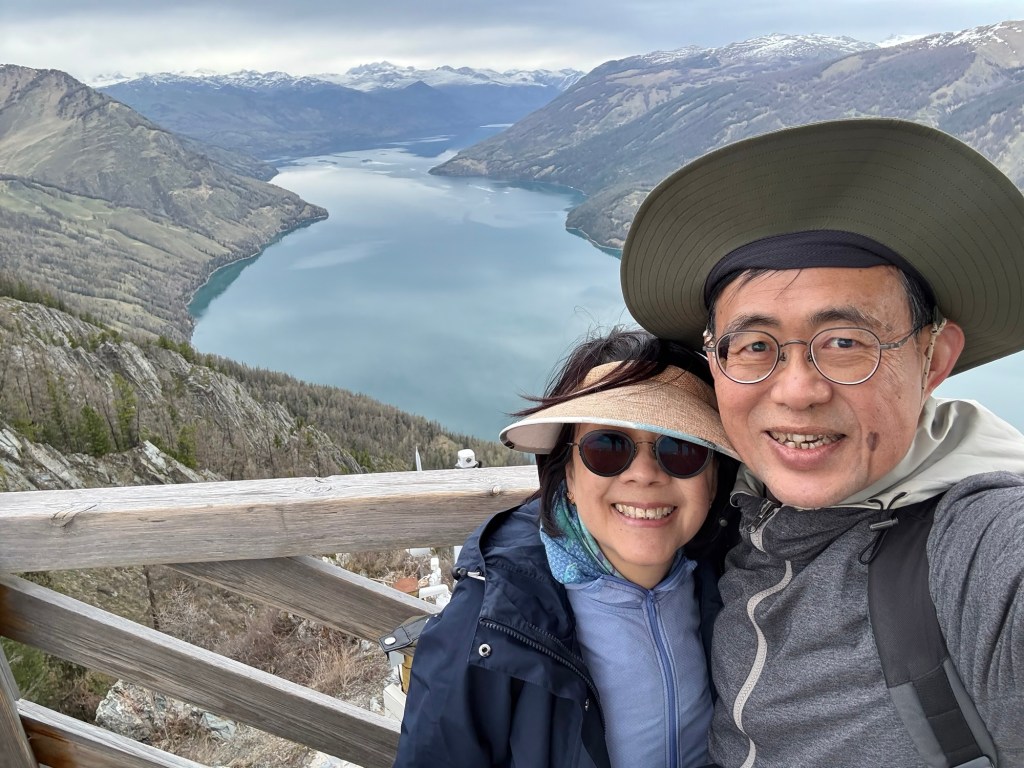
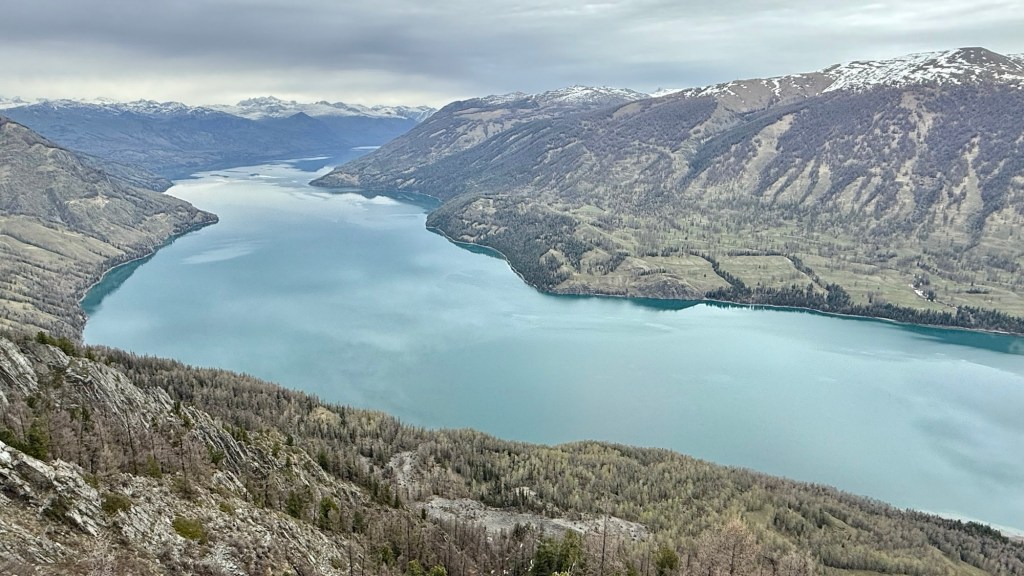
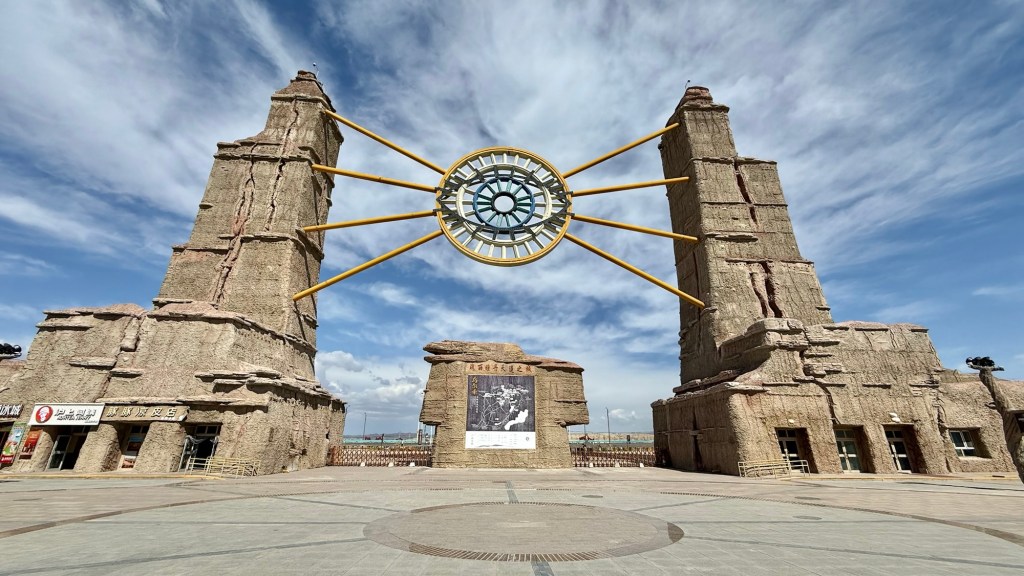
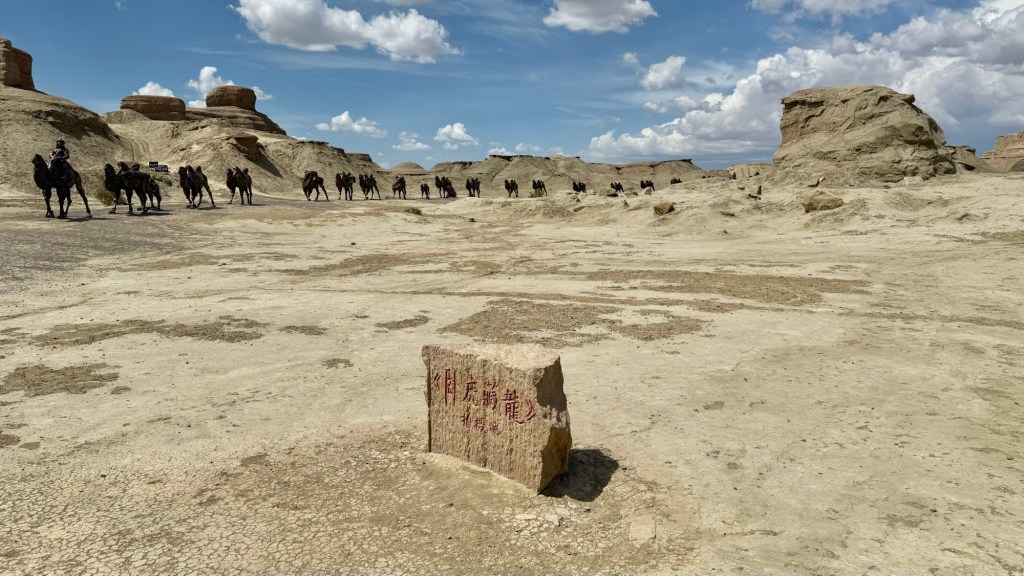
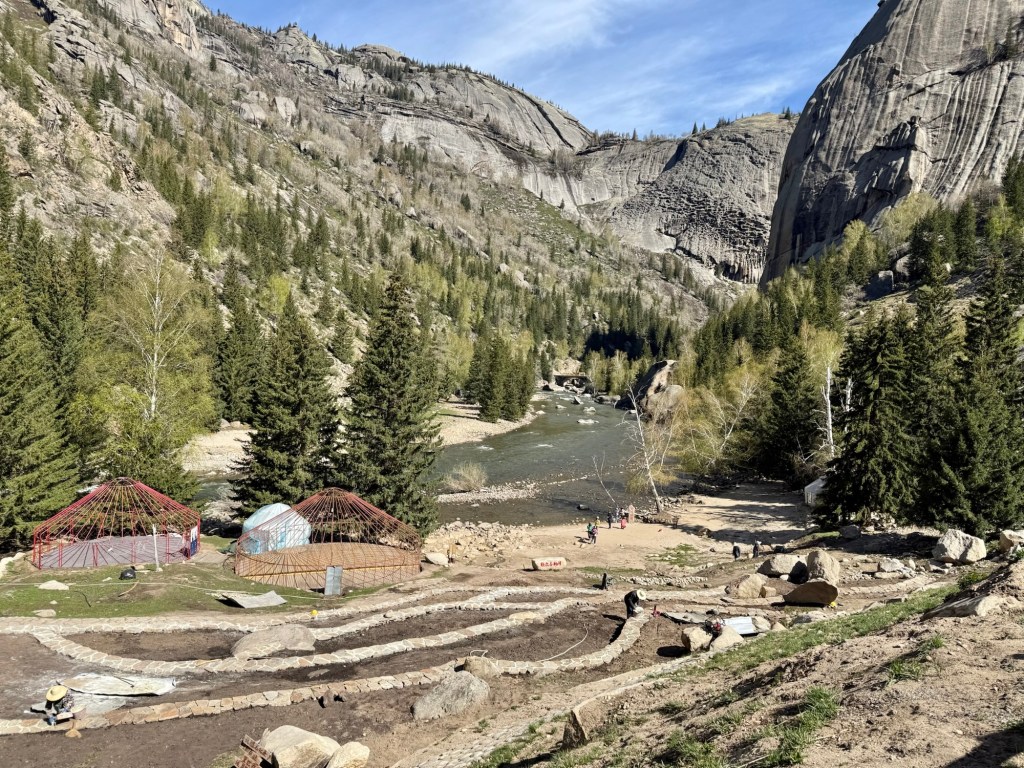
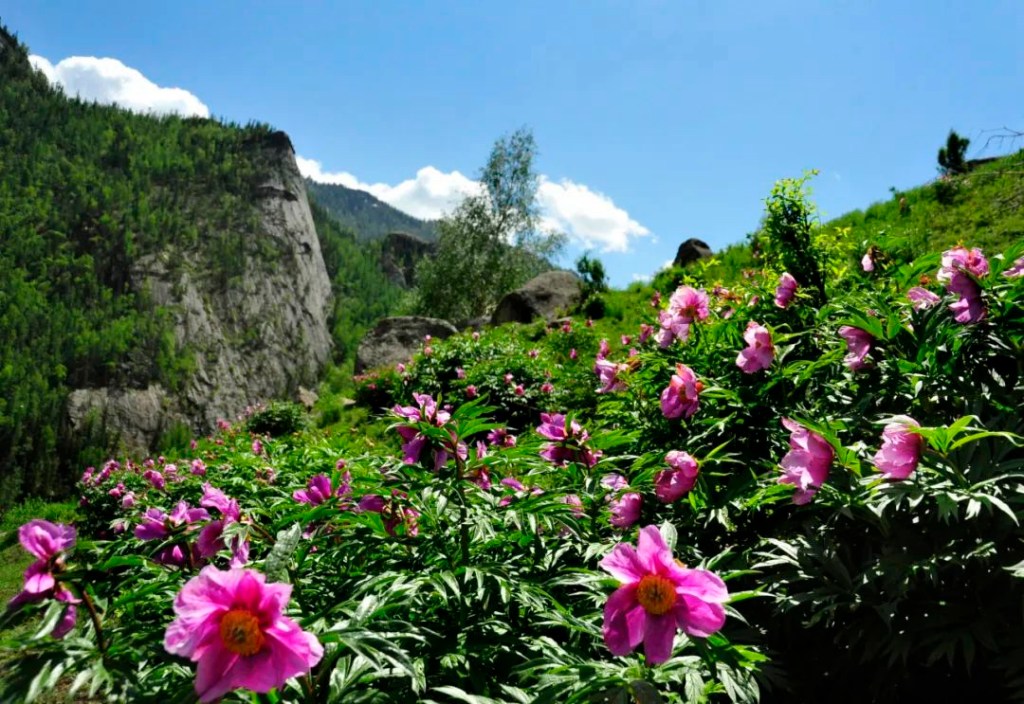
2025年5月和朋友伉俪11人团北疆之旅,得以观赏神州的浩瀚河山。
引用了 辛弃疾的《破阵子·为陈同甫赋壮词以寄之》的 “了却君王天下事,赢得生前身后名”
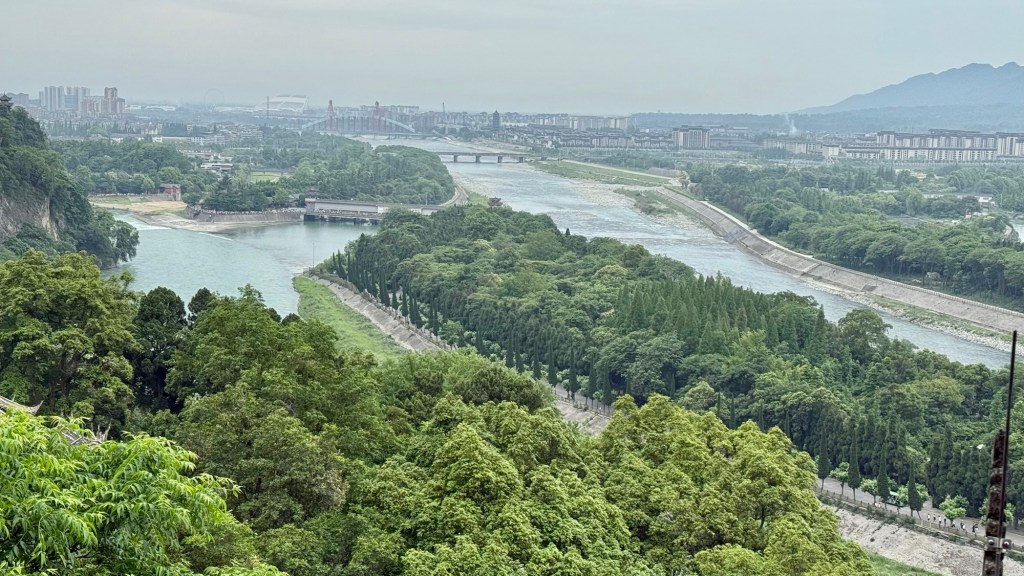
在都江堰见证了千年水利工程,造福万年。(都江堰水利工程始建于公元前256年左右,距今已有两千三百多年的历史。)
中国多灾难,几千年的治水,赈灾,防水患,水利工程。
后两段说到美国掀起的贸易战,与其他各领域的无端无理打压,龌龊下着,师出无名。
折戟沉沙-取自 唐.杜牧〈赤壁〉詩:「折戟沉沙铁未销,自將磨洗認前朝。」惨败后卷土重来。
稍改了“尊严只在剑锋之上, 真理只在大炮射程之内”——卡尔·冯·克劳塞维茨。
也引用了金庸《倚天屠龙记》里九阳神功的口诀:“他强由他强,清风拂山冈。他横任他横,明月照大江。”
====================
published on 28.5.2025
see my English translation 👇🏻
傲骨· 照大江 Unyielding Spirit · Shining on the Great River
— Five thousand years of unyielding spirit and cultured soul, where gentle winds and bright moon caress the vast river.
Heart bound to the land, soul spanning time itself;
worthy minds and heroes lie beneath ancient burial sites.
Born in troubled times, they sought a golden age,
spoke with ease the accomplishments in life —
who cares for posthumous fame?
Head beneath the stars, heaven and earth under his strides,
worked the heart and body to exhaustion, black hair became white.
Those who came before laboured; those who came after reaped the rewards.
With flood protection and irrigation, farming and trade flourish,
the nation thrives, the people grow strong.
Faces etched with wind and frost, bodies bearing the weight of years,
spears broken and buried in sand, generations rise anew.
Dignity lives on the edge of the sword; truth speaks from the gun barrel.
Before the mighty, no fear, no retreat,
the only effect like gentle winds brushing against a mountain ridge.
Left hand on zither, right hand wields the blade,
unyielding spirit and a cultured heart through five thousand years.
We do not strike first, but will repel any strikes.
Let tyrants be tyrants —
the only effect like the bright moon shining upon the great river.
Note:
In May 2025, I joined a friend couple and his group of friends total 11 pax on a journey through Northern Xinjiang, where we had the privilege of witnessing the vast and majestic landscapes of China.
The poem references a line from Xin Qiji’s “Po Zhen Zi – A Heroic Verse for Chen Tongfu”:
“To accomplish the Emperor’s great cause, and earn a name in life and after death.”
At Dujiangyan, we beheld a millennia-old hydraulic project that has benefited generations—a testament to China’s enduring efforts in flood control, disaster relief, and water management across its long and turbulent history.
The Dujiangyan Irrigation System was first constructed around 256 BCE and has a history of more than 2,300 years.
The final stanzas allude to the trade war initiated by the United States, and the unwarranted pressures and underhanded actions imposed across various domains—unjustified and unprovoked.
“Broken spears lie buried in the sand” — taken from the Tang dynasty poet Du Mu’s “Red Cliffs”:
“Broken spears lie buried in the sand, their iron not yet corroded;
I wash and polish them, recognizing relics of a bygone era.”
It symbolizes rising again after a crushing defeat.
Applied a variation of the quote – “Dignity lies only at the edge of the sword, and truth only within the range of cannon fire.”
— Carl von Clausewitz.
It also quotes the incantation of the Nine Yang Manual from Jin Yong’s The Heaven Sword and Dragon Saber:
“So what if he is strong—the only effect like the breeze brushing the mountain.
So what if he is fierce—the only effect like the moon shining over the great river.

 c.h.e.f